Globally, it has been estimated that 2.1 trillion photographs are taken annually, roughly 5.3 billion each day. The abstract nature of big numbers obscures the fact that a button is pushed 61,400 times a second. That’s a lotta photos. Since over 90% of those photos are taken with a smartphone, that leaves less than 8% taken with a traditional camera. It is noted that quality and volume don’t correlate. Where phones win, though, is finding moments that would vanish without them.
Today National Geographic revealed a drone photo of a humpback whale delivering a calf. Because calves can’t breathe underwater mom gives her calf a nudge towards the surface.

Such an image would have been impossible in the film era.
Today digital output matches 1998 film camera output in less than two weeks. With such an increase in volume does the quality of what’s produced match or exceed what film photographers used to do? After all, autofocus replaced manual focus, built-in meters replaced handheld ones, AI assists with autofocus, exposure and subject recognition. But Tiffany Tangen, a writer in the magazine Amateur Photographer, assumes that just because photography has become technically easier, people somehow mistakenly believe it has become less demanding to take a meaningful photograph.
She adds, “To me, the hardest part of photography was never learning which button to press. It was learning what was worth pressing it for. A camera can recognize an eye, but it can’t recognize grief, sorrow or pure, elated joy. It can track a bird through tangled branches. It can’t understand why this particular bird, in this particular light, at this particular moment reminds you what it feels like to be free. It can produce astonishingly clean files, flawless autofocus and immaculate image quality until your memory card begs for retirement, but it still can’t replace curiosity, patience, empathy or that peculiar instinct photographers develop for pressing the shutter a fraction of a second before everyone else realizes something extraordinary is about to happen.”

It can’t see that these two clouds captured during a Death Valley sunset become transformative.
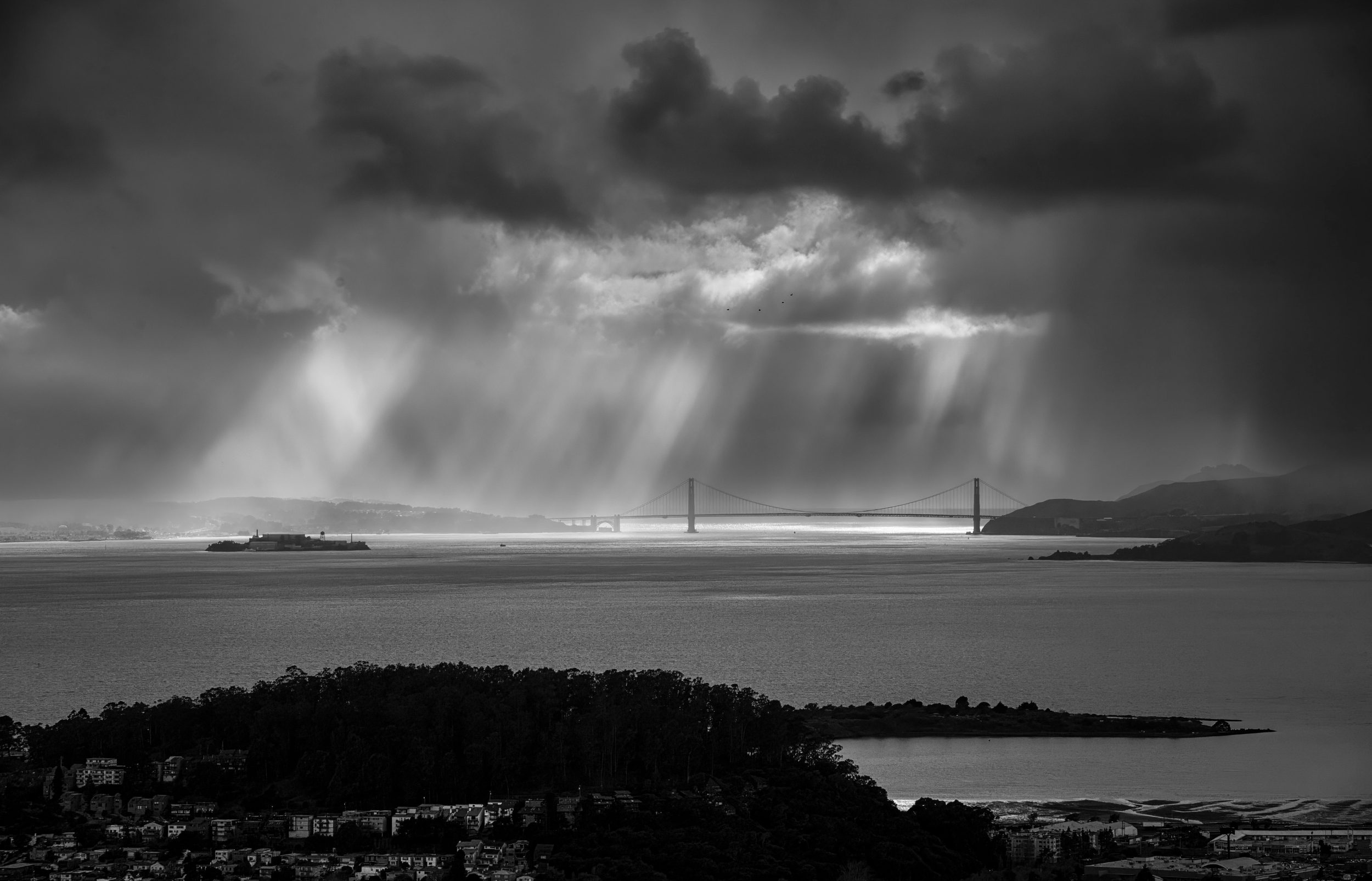
All the photographic technology can’t tell the photographer to be prepared for the split second when the sun breaks through the storm clouds.
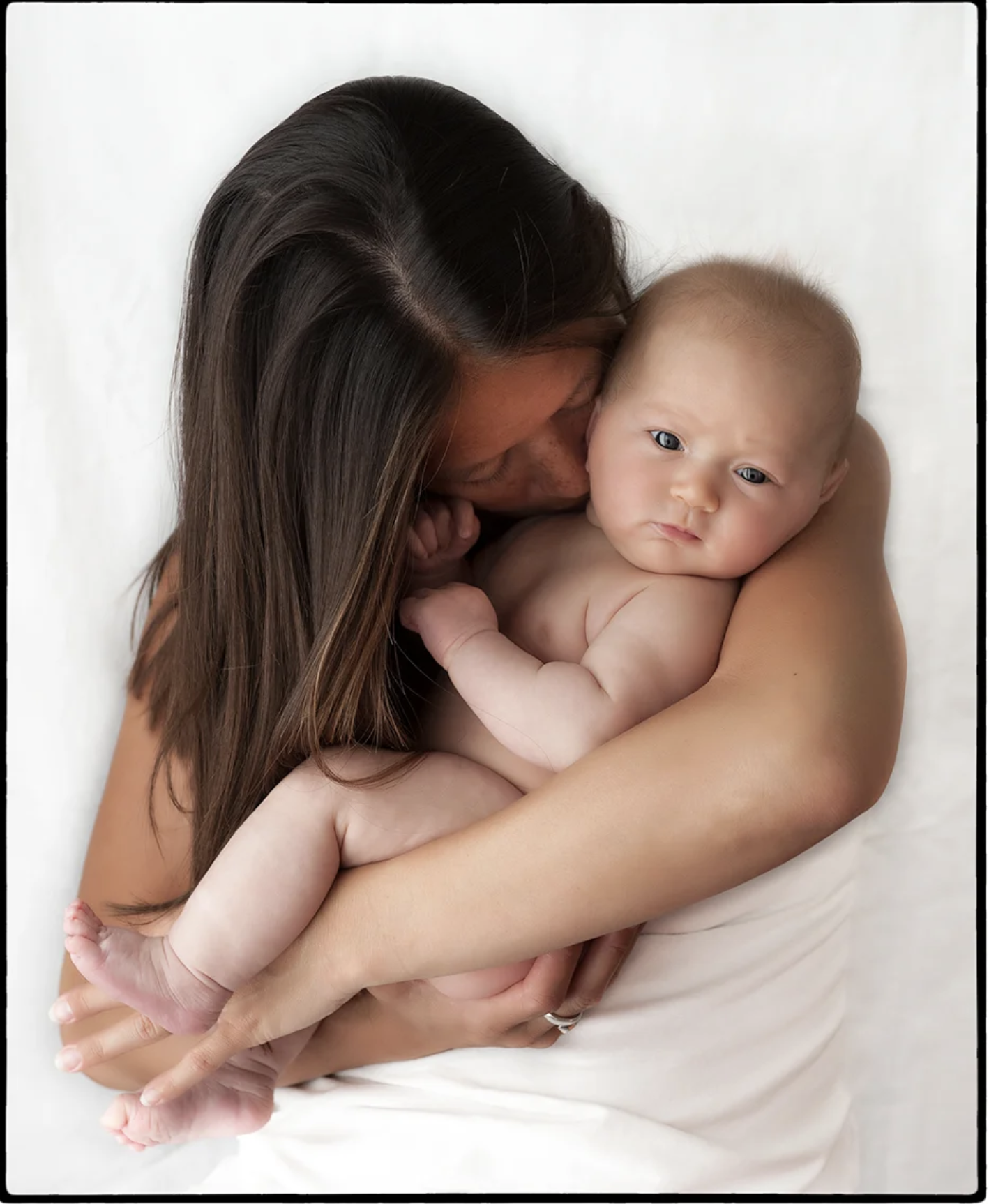
Or that the baby will stop crying for an instant so the shutter can be depressed
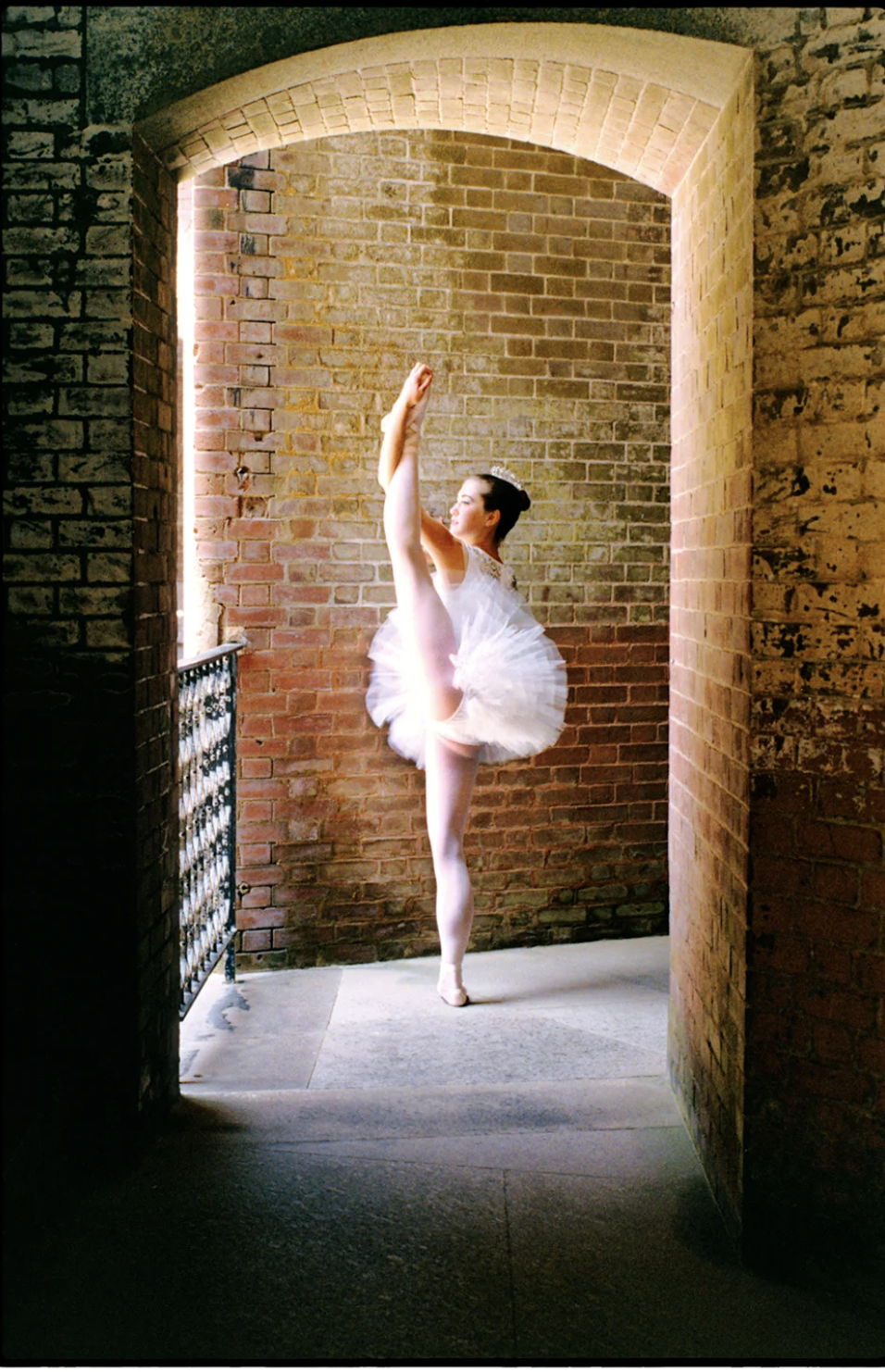
Five seconds after I took this image the sunlight flooded the ballerina, and the effect was lost.
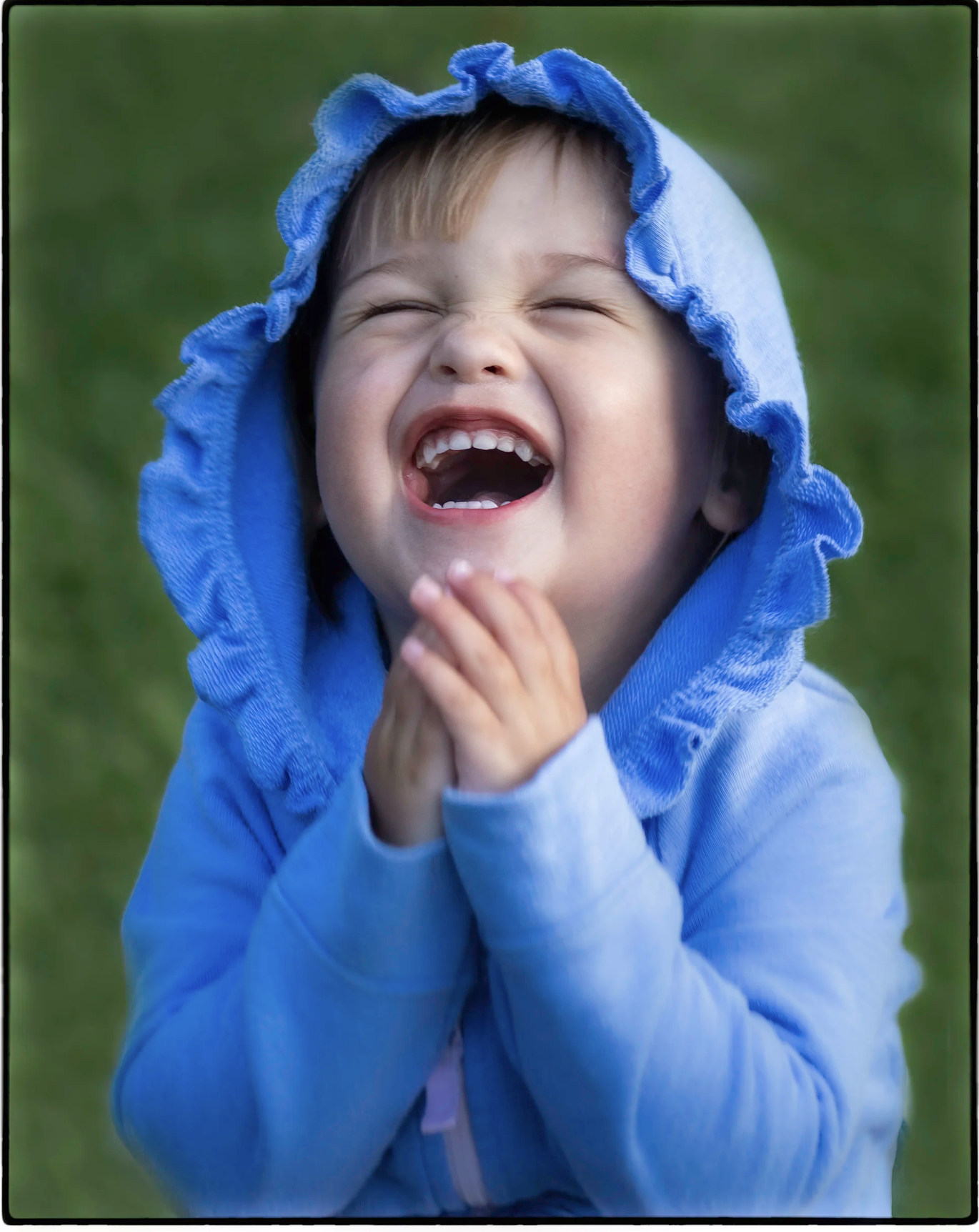
Technology doesn’t understand a child’s joy,
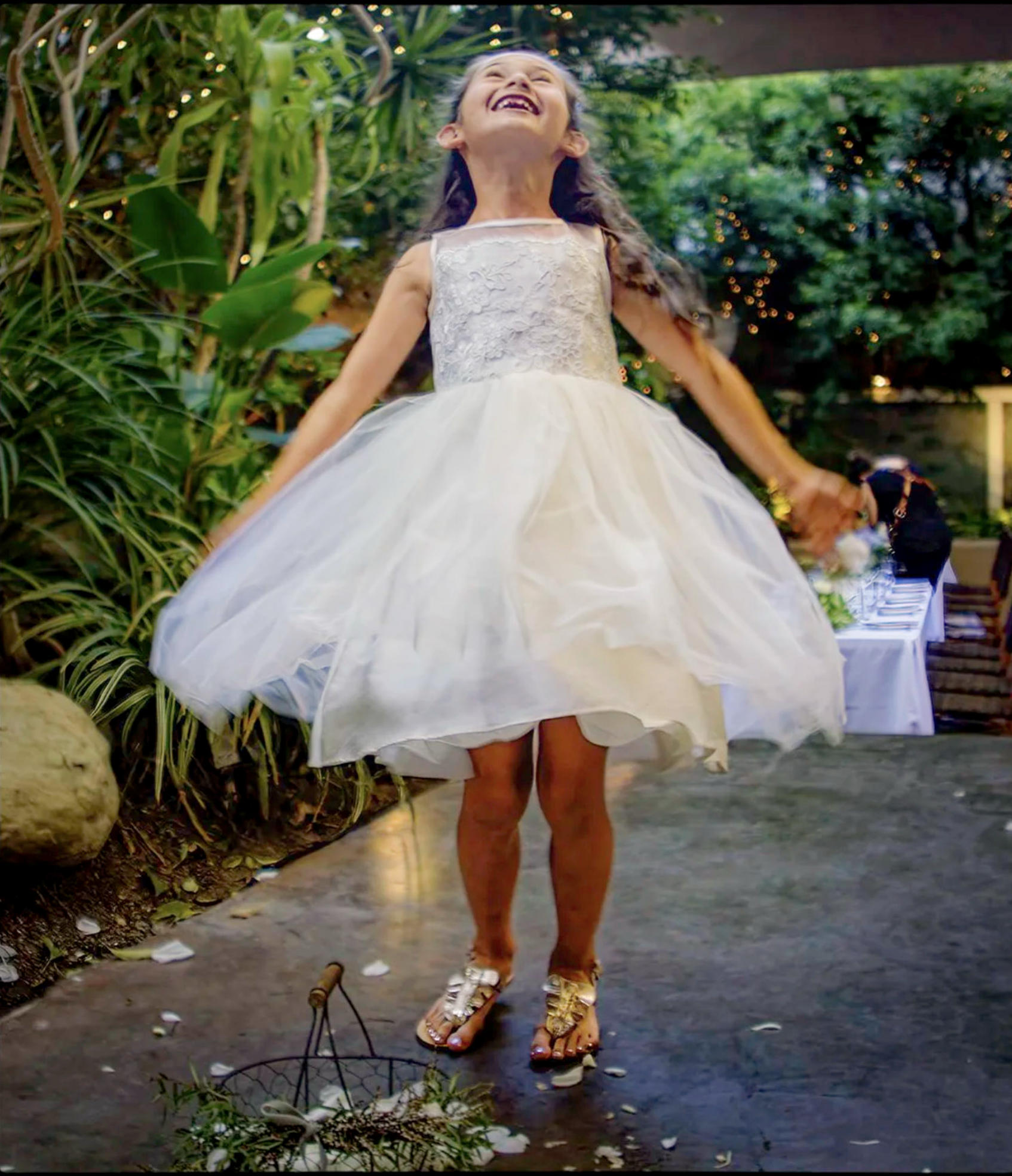
but the photographer has to be prepared when it happens.
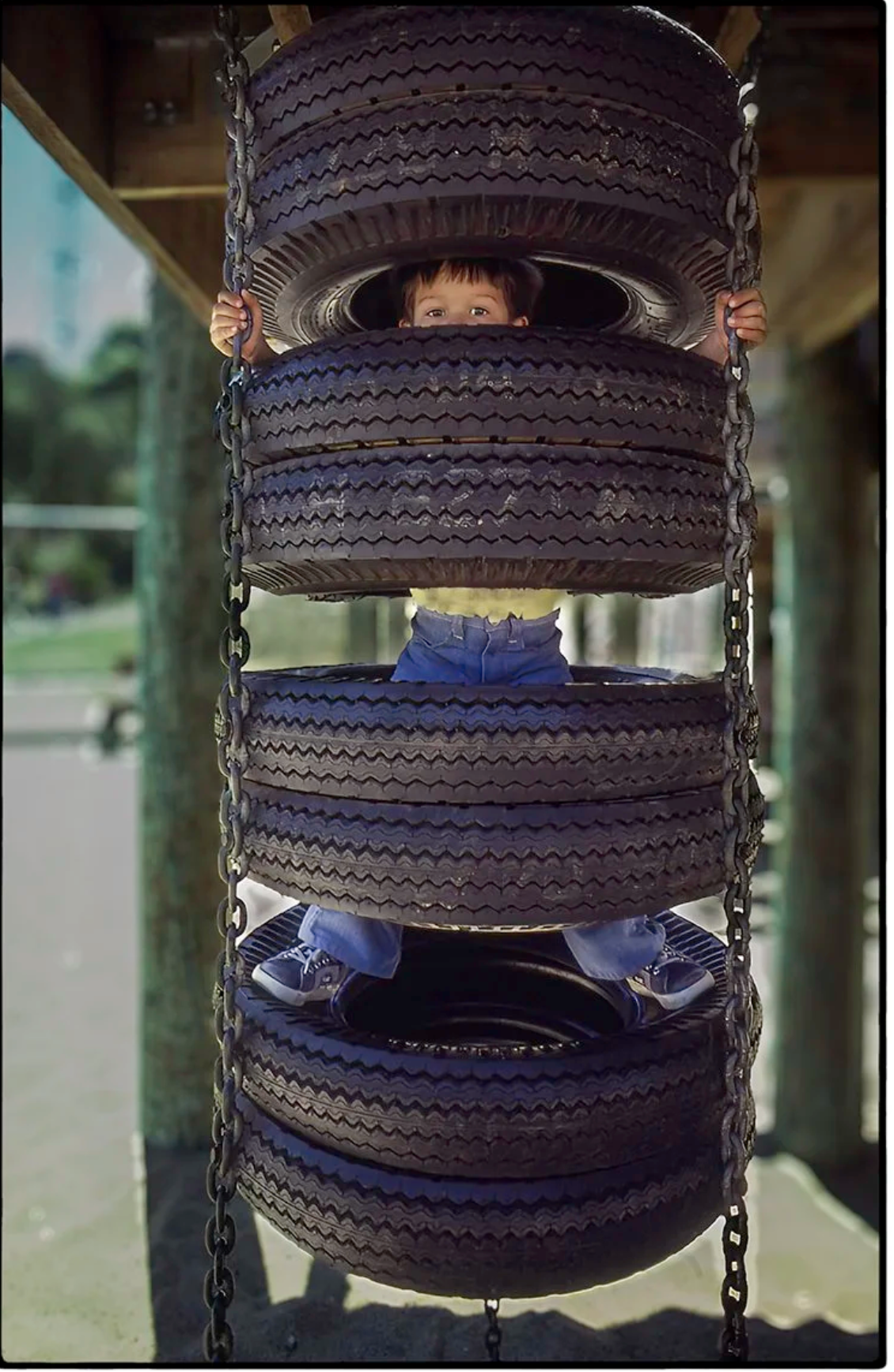
Technology doesn’t even know what it’s like to be a child.
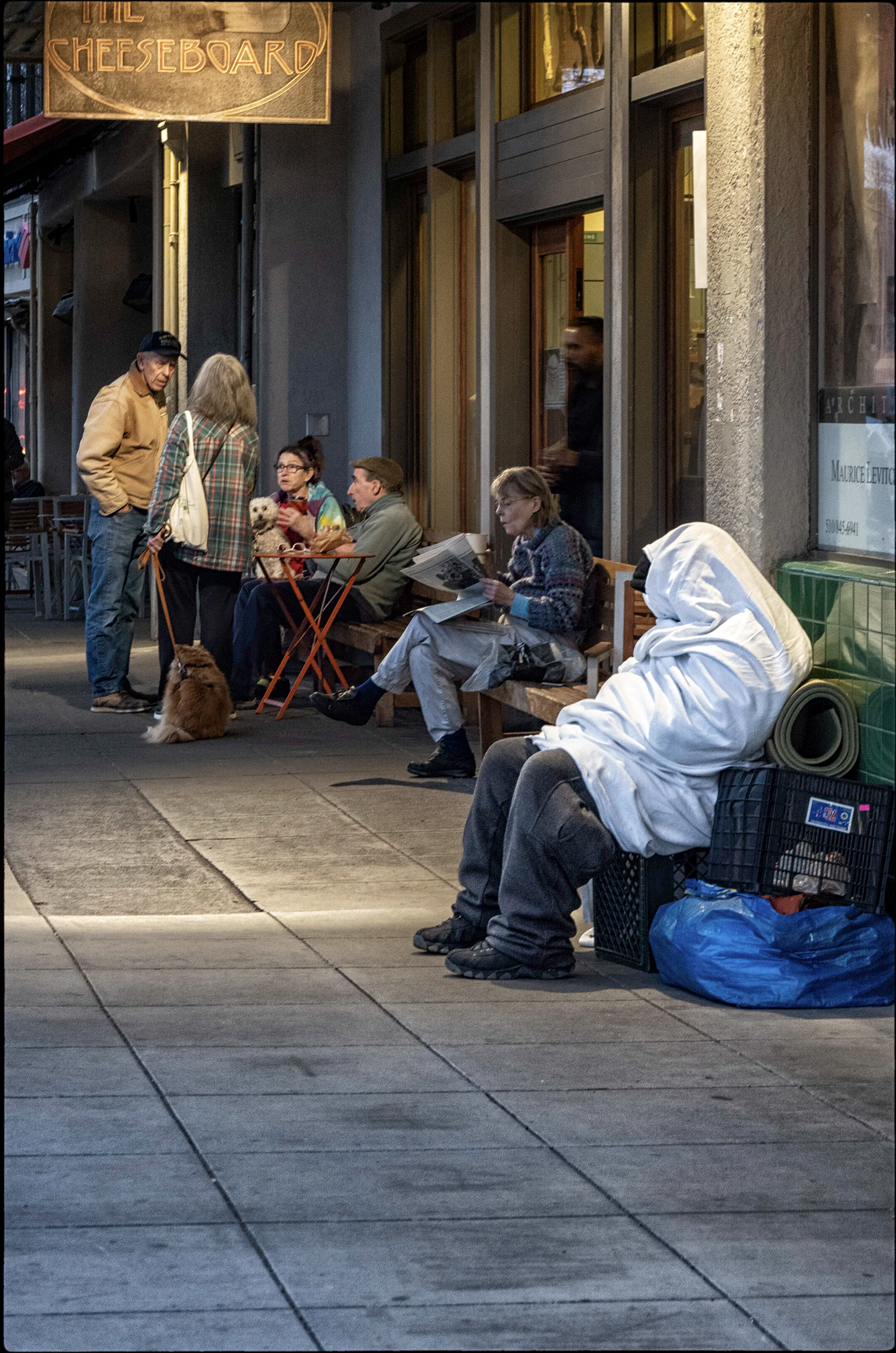
Or to live on the streets
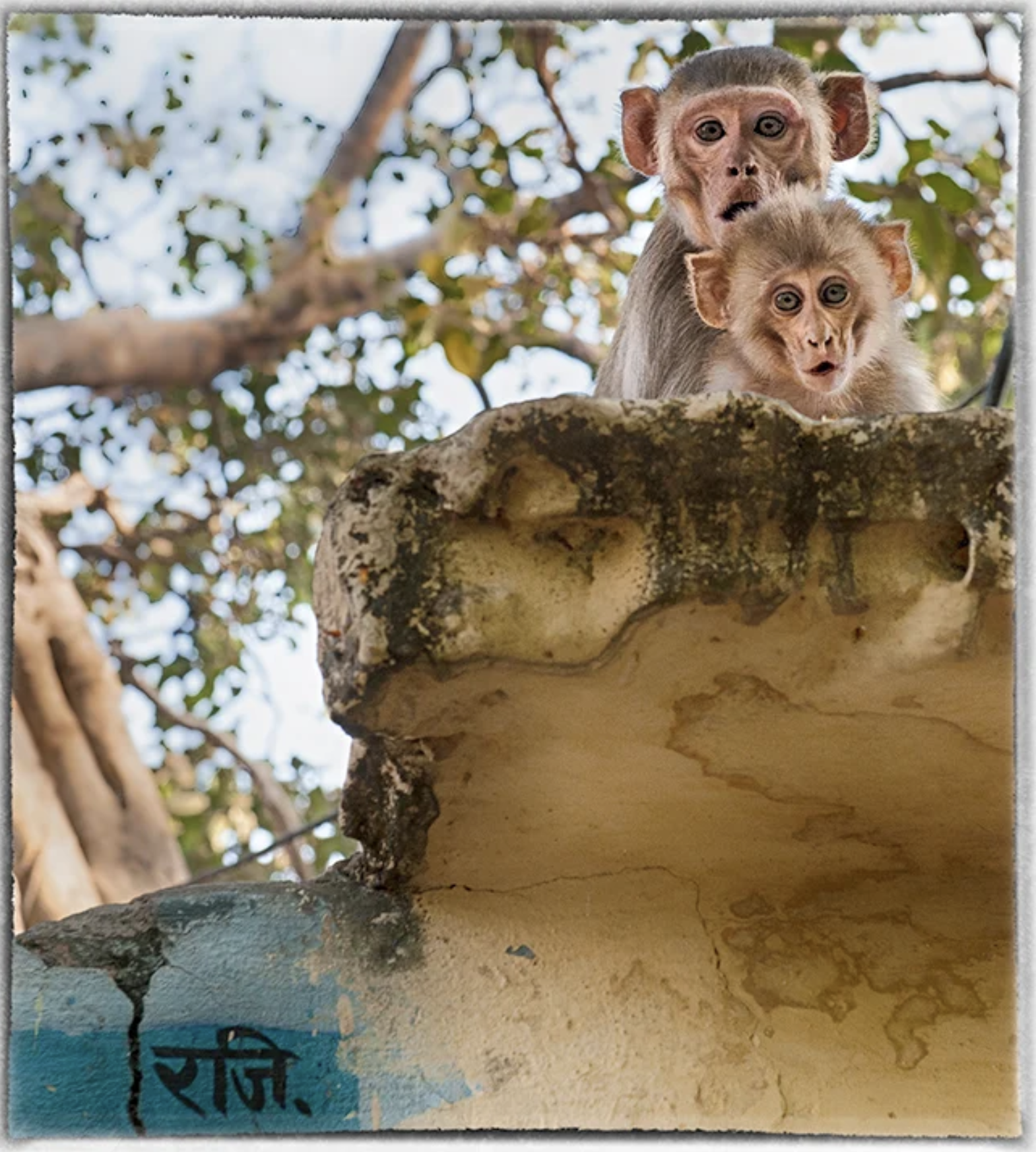
It doesn’t tell us how monkeys’ expressions mirror our own
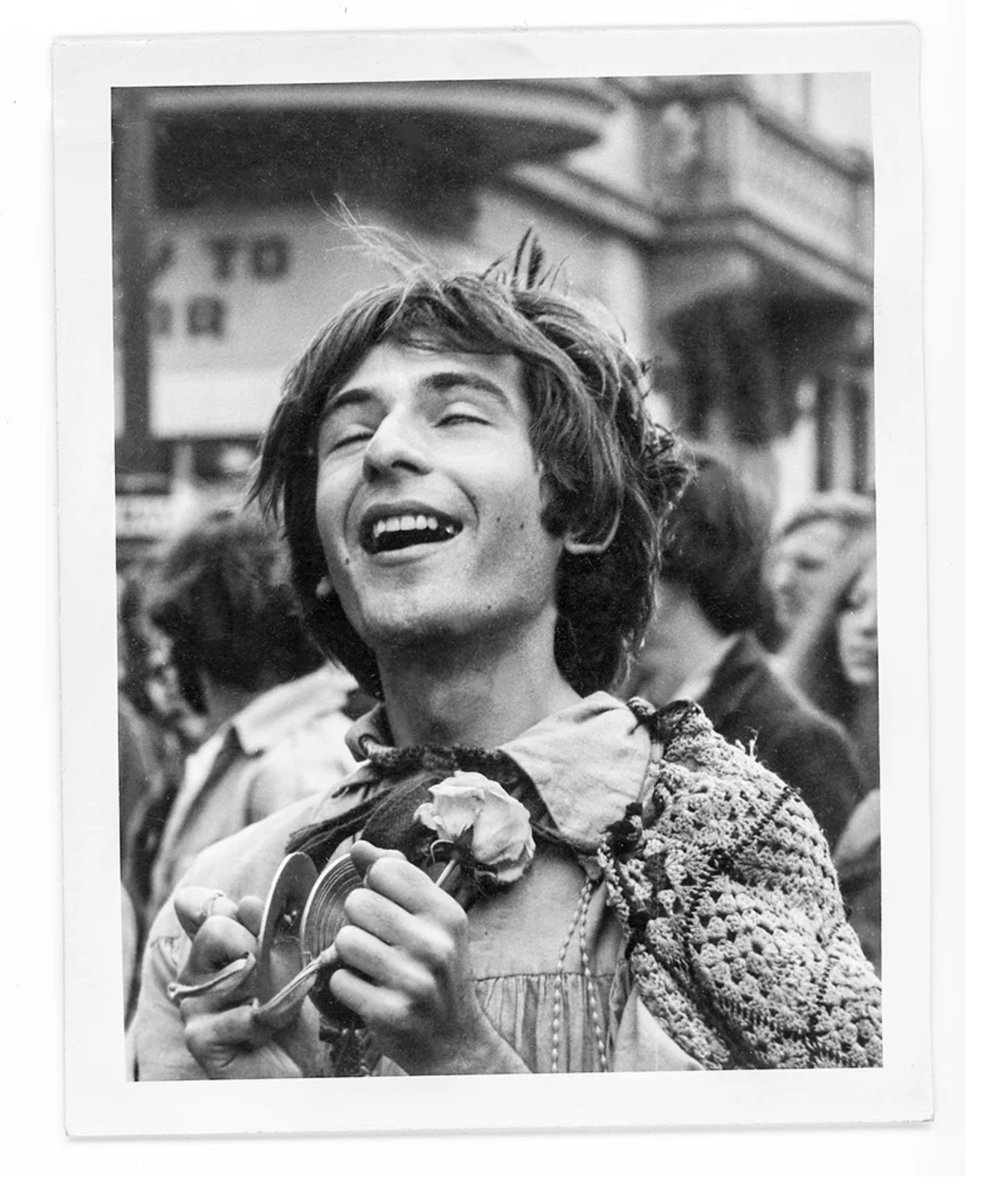
Technology can’t go back to the Sixties in San Francisco and interpret the Summer of Love. Only a photographer can do that, one who is selectively looking at what he’s seeing, prepared to capture it, knowing that if he does it right others will see and respond to it. And if he’s successful he’ll reveal himself, too, that what he chooses to show, what he photographs is a mirror to who he is.
This witnessing, the care in what he does, doesn’t come 61,000 times a second. His camera isn’t even involved. When asked what kind of camera he uses, his response should be just this—his eyes. Without paying attention to his world, the colors and the life that surround him, technology won’t matter. Most of these images were made on film, with manual light meters, without autofocus, without AI, but with open eyes.
P.S. I sent this link to a friend. I added that I had been frustrated in believing that my family doesn’t really understand what I’m trying to show with my photography. She wisely responded, “My thoughts on not being understood is it happens all the time, let it go. Like the prayer of St Francis says- “may I seek not so much to be understood as to understand.” Touche.