Tahoe 2020

Our three day weekend at Tahoe with John, Kim, and family didn’t start out as we had hoped. We spent Friday morning pacing, anxiously waiting almost four hours while Jason and Rachel’s custody hearing went before a judge. We didn’t know that the judge had four other cases to decide, and Jason’s and Rachel’s was last.

By noon it was over. But this isn’t about that. It’s about arriving at Tahoe three hours later at which time I realized that the sandals, shorts, and t-shirt that I was wearing were all that I had brought to Tahoe. Oh yes, I had two cameras, four lenses and my guitar, just no clothes or toiletries, no meds, no nothing.

I called Jennifer. “Jennifer,” I asked in a plaintive voice, “How much do you love me?” Enough, as it turned out, that she would drive to Rugby, pick up my suitcase, then leave the next morning in time to meet me in Rocklin at 6;45 am, a hundred miles away for each of us and make the exchange. I returned with suitcase in hand by 9:00, enough time to charge the car, then meet everyone at Granlibakken Treetop Adventure Park

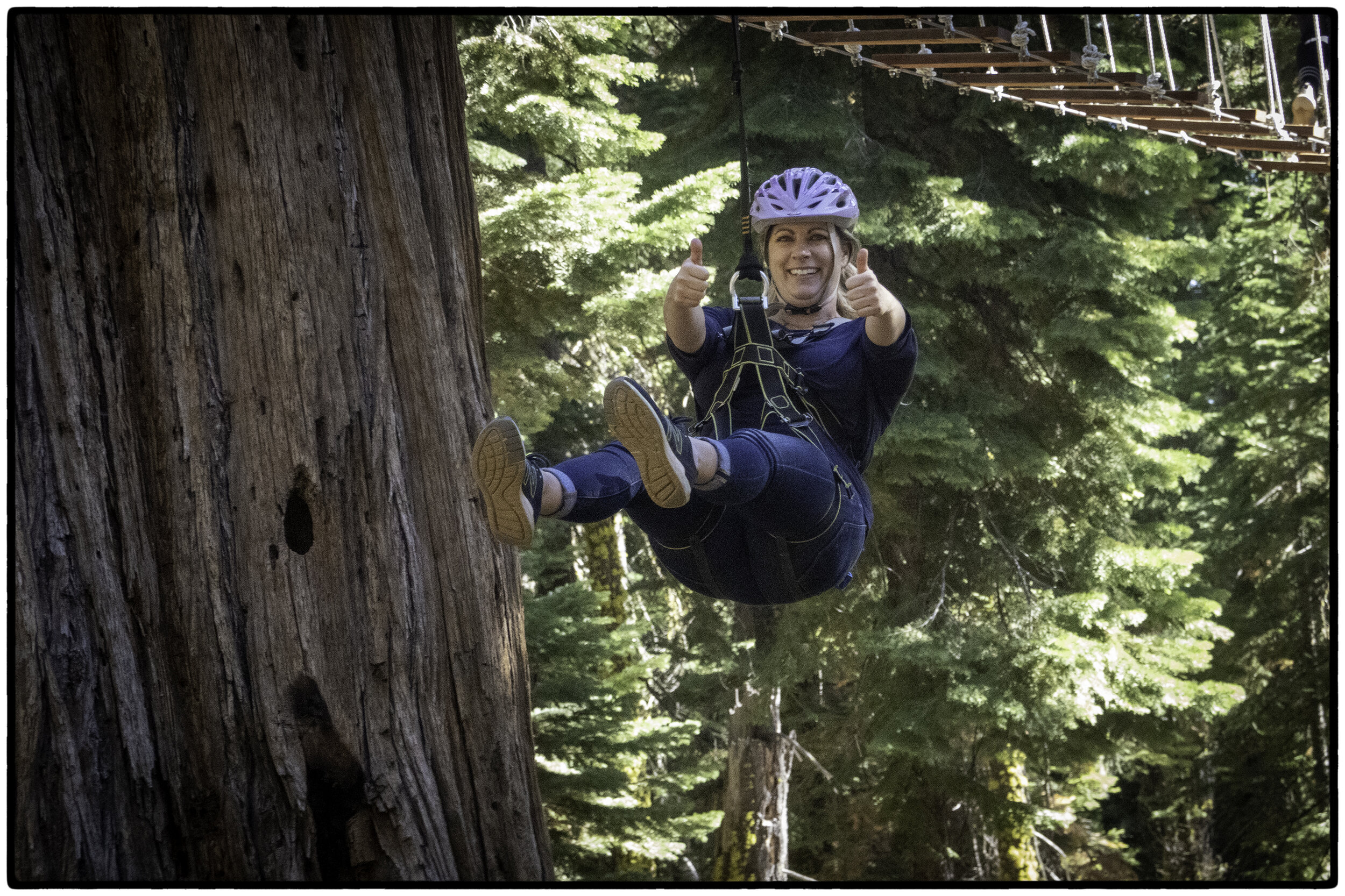
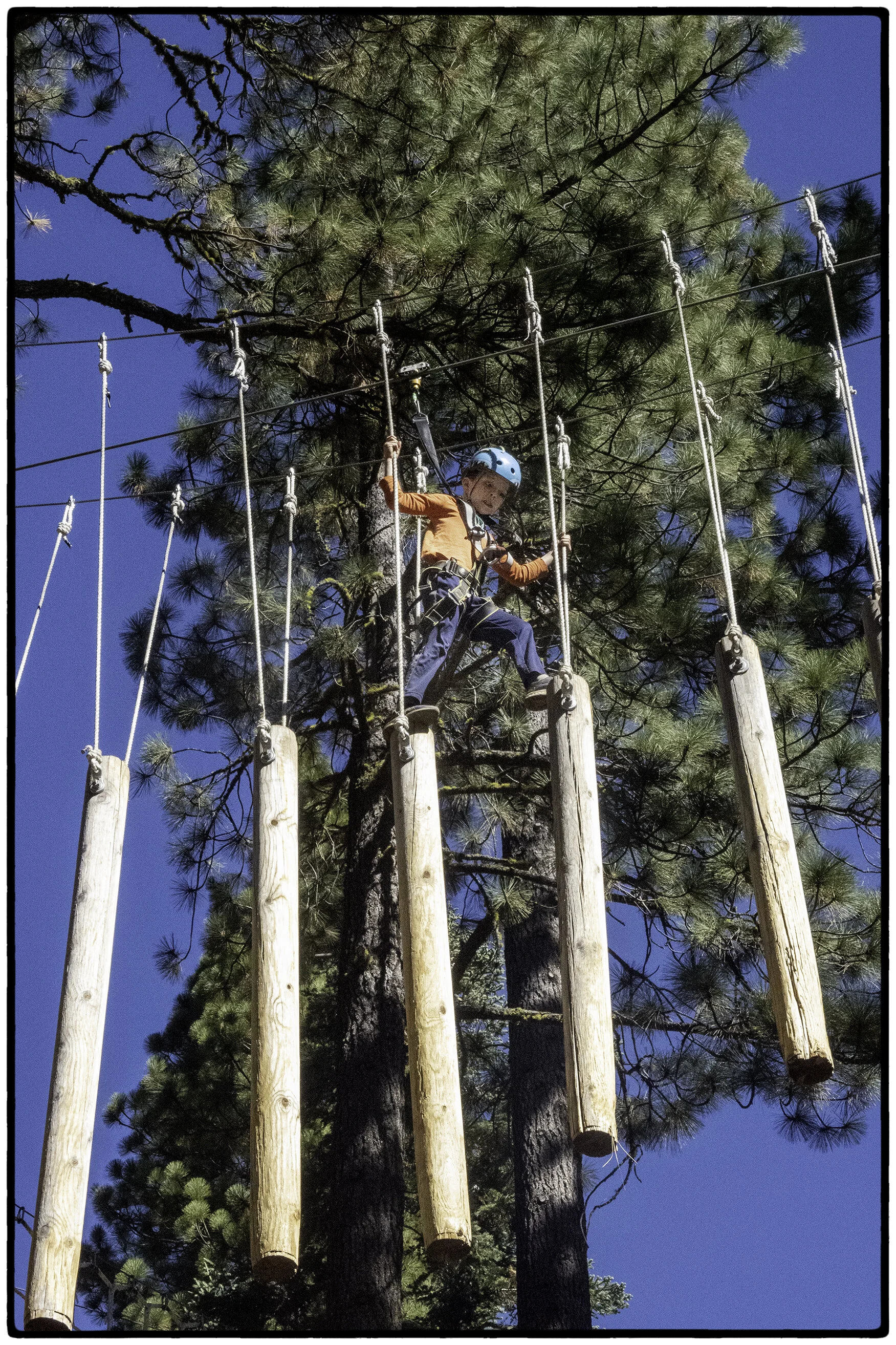
We had no idea what to expect. A half hour orientation with masks, harnesses, and we were off. Taking cues from ski slope designations, we found ourselves facing three different levels, green, blue, and black diamond. We began with green, then to blue. The Weller Way family loved the black diamonds.

John, Kim, Kennedy, and Lilly

John, Kim, Kennedy, and Lilly

Kennedy

Kennedy

Lilly

Lilly

Kim on a zip line

Kim on a zip line

Anyone who knows about Jadyne’s adventure on the Shooting Star in 1970 would be impressed with her fearless performance at Granlibakken.

Anyone who knows about Jadyne’s adventure on the Shooting Star in 1970 would be impressed with her fearless performance at Granlibakken.

An overview of one of the 12 courses. Noting my own age I asked one of the “counselors” about the oldest adventurer. “One man celebrated his eightieth birthday here,” they said. Five and a half years from now for me. Get your harnesses ready, folks.

An overview of one of the 12 courses. Noting my own age I asked one of the “counselors” about the oldest adventurer. “One man celebrated his eightieth birthday here,” they said. Five and a half years from now for me. Get your harnesses ready, folks.

Making friends along a trail at Tahoe City.

Making friends along a trail at Tahoe City.

I didn’t wait to see the look on the tourists’ faces below.

I didn’t wait to see the look on the tourists’ faces below.

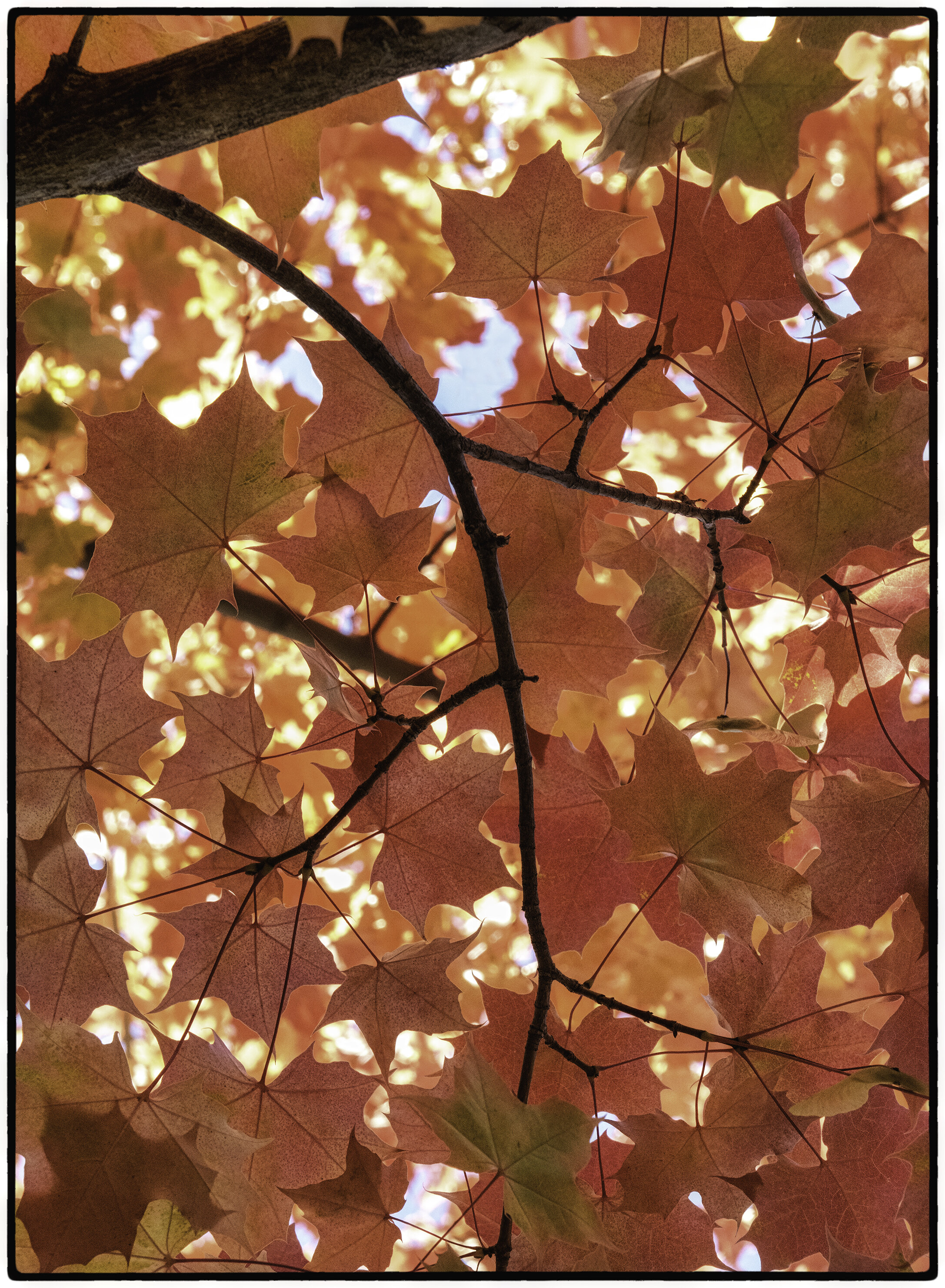
October at Tahoe reminds me of Autumn in Ohio.

October at Tahoe reminds me of Autumn in Ohio.

_DSC9624-Enhanced-Edit-Edit.jpg
DSC05527-Enhanced-Edit-Edit.jpg

Because six grandchildren weren’t running around playing I had some alone time with two I don’t see very often—Lilly and Kennedy. In my favorite images of people their faces are “in repose”. The whole of who they are is revealed through their eyes and their expressions. I couldn’t have asked for a better opportunity.

Lillian

Lillian

Kennedy

Kennedy

Oh yes.  Tahoe.  Something about a lake.

Oh yes. Tahoe. Something about a lake.

"I'm a Travelin' Man...Made a lot of Stops"

Not only has my life been enriched by the many places that Jadyne and I have been able to visit, but we’ve met some wonderful people in those places. They are friends of friends, students we’d befriended who were studying at UCB who’ve returned home, business associates related to Dozens of Muslins, and families of former romantic partners of our offspring. We’ve been sheltered at their homes, protected*, (I’ll get to that), shown beautiful national parks, gifted with meals and hotel expenses, by people who have shown us kindness that we could never repay.

When John was nineteen he played rugby for an American team that traveled to New Zealand, He stayed with Ellen and Paul Gavin, whose daughter Michelle fell in love with John, (even moving in with him while he was in law school). Even though that affair ended we fell in love with Michelle, too, often hosting her and later, her sister. When we traveled to New Zealand we stayed with the Gavins in tiny Whakatane on the North Island.

Ellen and Paul Gavin

Ellen and Paul Gavin

Downtown Whakatane.  In the distance is White Island, a favorite tourist spot, that is, until December, 2019, when the volcano, driven by steam, erupted, killing sixteen tourists.

Downtown Whakatane. In the distance is White Island, a favorite tourist spot, that is, until December, 2019, when the volcano, driven by steam, erupted, killing sixteen tourists.

Our neighbors in Kensington at the time, Glenn and Sally Flinchbaugh, knew Denis and Anne McLean, who lived in Wellington. Denis was the ambassador to the United States for New Zealand when Kennedy and George Bush were President. They welcomed us in Wellington, which is located on the southern side of the North Island. Denis was still active in politics, finishing a book as we visited. Anne took us all over Wellington, first to visit her gallery-owning friend (with the sculpture of toast on the wall behind their heads)…

Denis McClean in his house filled with wonderful art.

Denis McClean in his house filled with wonderful art.

Anne McClean and her gallery-owning friend

Anne McClean and her gallery-owning friend

…and then to the National Tattoo Museum…

EPV0024-Edit.jpg

At the time we were still renting backgrounds. Film was still king, and digital was the new kid on the block. Our website, dozensofmuslins.com, was the go-to site for photographers whose work centered around high schools.

_DSC7371-Edit.jpg

Uttiya Misra was the owner of AAvant backgrounds, in Delhi, India. His team of artists painted small backgrounds, such as those that we rented, and large theater muslins and canvasses, filling whole ballrooms and stages with hand-painted pieces. He knew of us through the internet, and he saw an opening. We began to contract for his services, were pleased with the quality of the work that Aavant produced, and twelve years ago when we visited Jennifer and Andrew in Kathmandu, we took a side trip to India, to Agra to see the Taj Mahal, to Varanasi for the Ganges, and of course to Delhi to see Uttiya and Aavant.

_DSC7365-Edit.jpg
Aavant artists and our New Orleans background.  I took this particular image to show Jennifer, as she has been so involved with human rights, especially those of children, that she thought that I would find children among the artists.  I did not.

Aavant artists and our New Orleans background. I took this particular image to show Jennifer, as she has been so involved with human rights, especially those of children, that she thought that I would find children among the artists. I did not.

Another from Aavant.  Three stories high, perhaps fifty feet long.

Another from Aavant. Three stories high, perhaps fifty feet long.

Now the part about being “protected.”*

_DSC7337-Edit.jpg

Jadyne and I stopped into a nearby coffee shop in Delhi. Before we left I went online and looked at the New York Times, only to discover that in Mumbai over 100 people had been slaughtered by a terrorist group. Americans were targeted. No one knew at the time who was behind the attacks or whether other cities would experience a similar horror. We returned to our hotel quickly. Uttiya advised us to stay put until he could pick us up. And so, yes, he protected us.

Loving India as much as we did, we were able to return for a longer visit in 2016. One of our first stops was Neemrana where we met volunteer tour guide Balwant Soni who led us through the streets of Neemrana. Educated in England, Balwani spoke fluent English. His family are all craftsmen, and they sell beautiful silver jewelry. We became fast friends, both during our time in Neemrana, and later, through Facebook. I was moved by his post a week or so ago pictured below: “The most beautiful moments in life are moments when you are expressing your joy, not when you are seeking it.” I began to think of all the people I’ve met in our travels whose kindness and love have resonated with me. And so I began this blog entry.

Balwant Soni

Balwant Soni

Screen Shot 2020-10-12 at 6.46.37 AM.png
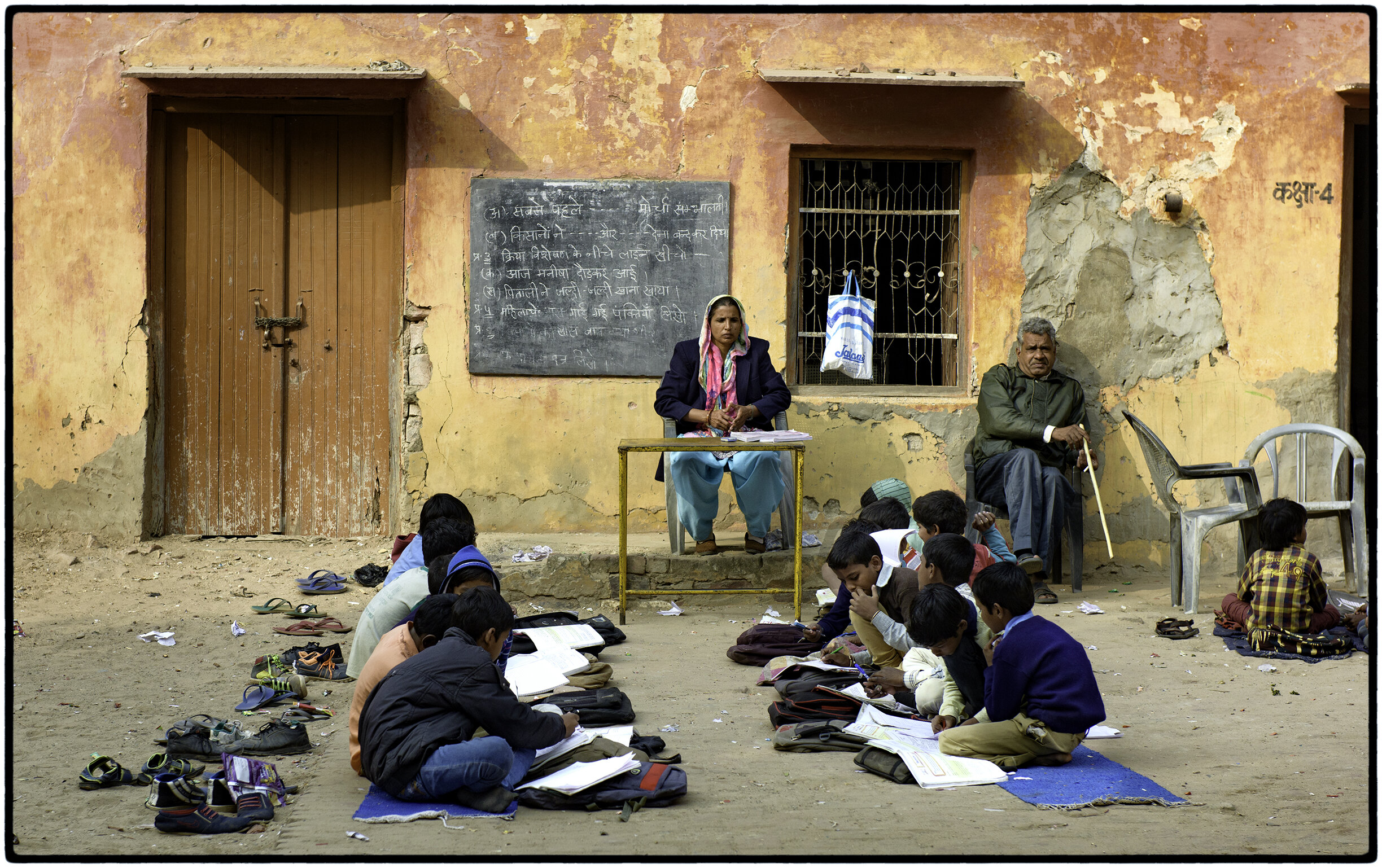
Balwant took us to the elementary school in Neemrana…

Balwant took us to the elementary school in Neemrana…

…and to meet his guru (center), and other locals in and around Neemrana, (below)

…and to meet his guru (center), and other locals in and around Neemrana, (below)

_DSC0475_DxO-Edit.jpg
_DSC9269-Enhanced-Edit-Edit.jpg

In October, 2019 we visited China for the second time. Jadyne and I had made friends with two visiting scholars, Celia and Zhongbing, both of whom had returned to China. Celia paid our hotel bill before we even arrived, and Zhong invited us to travel to a distant park, showing us places we otherwise would have never seen. First the terracotta warriors, then Celia’s husband Danesh drove us through Xi’an at night. This is the bell tower in Xi’an.

Celia gave birth while she was visiting Berkeley.  This is her second daughter, Ashley, an American citizen.

Celia gave birth while she was visiting Berkeley. This is her second daughter, Ashley, an American citizen.

Zhongbing, his wife, and their twins. Zhong is a member of the Chinese Communist party. He pays $2.50 a month for dues. Years ago when he joined he thought that it would be a good idea. He doesn’t think that anymore, but it’s not easy to leave.  Din…

Zhongbing, his wife, and their twins. Zhong is a member of the Chinese Communist party. He pays $2.50 a month for dues. Years ago when he joined he thought that it would be a good idea. He doesn’t think that anymore, but it’s not easy to leave. Dining in their tiny apartment with Zhong’s family, his mother and father, made me realize how challenging it was when Covid-19 struck China, Zhong’s university closed, and leaving the apartment was perilous. We were there months before the virus struck, and Zhong took us to, well, look at the photo below.

Zhangjiiajie National Forest Park, a twelve thousand acre park, a four hour drive from Zhong’s home in Changsha, a small town of four and a half million people in the south of China. We spent two days in and around what is often referred to as “the …

Zhangjiiajie National Forest Park, a twelve thousand acre park, a four hour drive from Zhong’s home in Changsha, a small town of four and a half million people in the south of China.

We spent two days in and around what is often referred to as “the most beautiful place in China”, known now as the “Avatar Mountains” for the movie that was filmed here. Besides it’s much easier to pronounce than “Zhangjiajie.”

When I mentioned that I was writing this in my blog Jadyne reminded me that “what goes ‘round comes ‘round, ” that, especially with the New Zealand Gavins, the Chinese scholars, and Uttiya in Delhi, we extended ourselves to them first, that we opened a welcome mat, showing them hospitality and the other side of the “ugly American.” For Uttiya, our relationship began with business, and though we no longer have new backgrounds made by Aavant, we’re on Facebook together, learning about each other and each other’s culture, too. And yes, every Christmas Uttiya sends us an edible gift pack of nuts, cookies, and other goodies. Still.

Oxymoron

I don’t remember the first time I came across the name “Donald Trump.” From the get-go, though, what I learned offended me. From Annie Leibovitz’s iconic image of him and Melania,..

Screen Shot 2020-10-07 at 9.22.16 AM.png

…to his Mussolini pose on the Truman balcony two nights ago…

the insanity, the insecurity, the weakness, the narcissism, the petulance, the childishness, the corruption, the criminality, absence of empathy and sensitivity, and the overwhelming stupidity has brought the United States of America to a low unimag…

the insanity, the insecurity, the weakness, the narcissism, the petulance, the childishness, the corruption, the criminality, absence of empathy and sensitivity, and the overwhelming stupidity has brought the United States of America to a low unimaginable four years ago.

The list of sins is endless. So is the list of superlatives describing those sins. Moments before the photo above was taken, Trump, in a very theatrical display, removed his mask, causing MSNBC anchor Joy Reid to say, “I am speechless. I am stunned. I have to be honest with you, I’m disgusted by what I just saw. This man is contagious,” she added. Trump, Reid pointed out, “just exposed his Secret Service agents,” who she described as “true professionals” who would “in every moment of their job would take a bullet for the president, not take one from the president. There are moments in this job when you realize that you are witnessing some of the great horrors of history,” Reid said on the show, adding: “This is the most irresponsible thing I’ve ever seen a president do.”

Trump, a long-time critic of science’s contention that masks save lives, even after his own diagnosis, refused to wear a mask, returned to the White House and exposed his staff to his infection. What a man! “Don’t be afraid of Covid,” he wrote. “Don’t let it dominate your life.” Tell that to survivors of the 210,000 Americans who have died because of this deadly disease.

And the oxymoron? His imminent defeat and downfall in twenty-seven days, when he is utterly humiliated, chewed up, and spit out by the American public, will bring unfathomable joy and happiness to the countless millions who despise him, one of whom is typing these words. Down for him and his family of grifters is up for millions who have suffered under his corrupt and malignant administration.

****************************************************************************************************************


Eleanor and me

In No Ordinary Time, Doris Goodwin’s opus about the Roosevelts, she concludes, “In these first months on her own, Eleanor derived constant comfort from a little verse sent to her by a friend. ‘They are not dead who live in lives they leave behind. In those whom they have blessed they live a life again.’”

John Vincent and Elsie Oberhelman

John Vincent and Elsie Oberhelman

By age seventy-four I have lost so many whose lives have touched me, whose lessons live through me, whose presence in my life continues to shape the person I am, even as my life shapes those who follow—my children, my grandchildren, and others whose lives I may have touched. In no particular order, Jim and Betty Carns, our next door neighbors on Grand Vista Avenue. My father died six weeks after I was born, and Jim Carns , along with my grandfather John Vincent Kennedy, were the first males in my life. “Uncle Jim” and “Aunt Betty” continued to look after me even through my college years at UC, and they often invited me for dinner, even naming (they claimed), one of their children after me. I knew my grandfather for such a short time, and I was so young. I remember cigars and limburger cheese, but John and Elsie, my grandmother, made their home mine, my brother Jack’s, and my mother’s until I was about seven, when my mother married the man I learned to call “Dad.” But “Dad” was fourth on the male list. We’ll get to him later.

Third was my Uncle Rowland, a lifelong bachelor (was he in the closet?), whose eulogy I delivered in the summer of 2000. Rowland’s presence looms large—a kind, generous, politically conservative, strongly opinionated, loving, prejudiced, and extraordinarily human sort of person who recognized his own failings and stumbled through mishandled apologies to rectify them as best he could. He was racially and religiously intolerant and did his best to dissuade me from marrying a Chinese Catholic girl, then accepted that Chinese Catholic girl with warmth and love. Family meant so much to him. After he said in front of my friend with dirty boots, “Don’t let that boy into the house!” he posted a letter of apology on the wall. He blessed me with his knowing that when he was wrong he didn’t shy away from facing it. He also had exquisite taste in design, and to this day I’m mindful of his presence when I see Apple packaging, Bang & Olufsen products, and well-designed anythings.

Rowland Hopple

Rowland Hopple

Teeny and Alyce Jeung

Teeny and Alyce Jeung

Song and Charles (Booboo)

Song and Charles (Booboo)

Good-hearted Al, who loved Alyce even when she was the most unlovable, providing for her after his death.

Good-hearted Al, who loved Alyce even when she was the most unlovable, providing for her after his death.

I was blessed with Teeny’s unconditional love, no prerequisites, no qualifications, no tests. If you were in her life she loved you. She was absent ”sophistication” and status, preferring people who presented themselves as they were, with no pretensions.

I was blessed with Pau and Gung, Jadyne’s grandparents who accepted me as the father of their grandchildren, who rejoiced in front of me one night when I finally finished every grain in my bowl of rice., and who, like Uncle Rowland, were completely human, letting their complaints air only to each other in Cantonese.

And with Jadyne’s godparents, Song and “Booboo”, whose collective hearts were broken when I told them that their goddaughter had died. Booboo said “I have no reason to live anymore”, and he died the next week.

I was blessed by experiencing unfathomable sorrow, mine, yes, but Jadyne’s, our kids, and Alyce’s, in losing Teeny. It was up to me to tell everyone. I told Jadyne. I told our three children. I had to tell Alyce. In happier times she expressed unrestrained joy for a man she didn’t know who was asking for her daughter’s hand. Alyce was loving, prejudiced, confused, and both tolerant and intolerant. I was blessed in learning and respecting in her the strength to raise three wonderful children whose qualities so outnumber their deficiencies that I love and respect her for her influence on them.

Gung, Pau, and a doll?.

Gung, Pau, and a doll?.

Jim and Betty Yee. Jim was a Peace Corps friend, who with his wife Betty, adopted two children from China, brought them back to Oakland, then Jim died soon after from cancer. When Jim was dying Betty nursed him with patience and love, although she knew that her metastatic breast cancer was killing her even as she was nursing Jim.. She didn’t tell Jim, and she didn’t tell us. We saw her obituary soon after Jim died.. Only then did we realize the secret of her own mortality, which she kept from everyone.

And my biological father Carl, who died at thirty-three. In my early childhood he was mostly a statistic, a healthy young man who passed too soon, that’s all, until I read his letters. In his expressions of love for my mother he came to life, a person having emotions and feelings, not a statistic.

I was blessed, too, by my mother and my stepfather, two people whose lives echoed the notorious RBG’s comment,

“I would like to be remembered as someone who used whatever talent she had to do her work to the very best of her ability”

In the photo above, this Midwest senior citizen tried her first chicken burrito at Antonio’s taco truck to the amazement of Antonio’s wife who had never seen a Midwest senior citizen.

In the photo above, this Midwest senior citizen tried her first chicken burrito at Antonio’s taco truck to the amazement of Antonio’s wife who had never seen a Midwest senior citizen.

My mother passed on her sensitivity to criticism, her love for her family; her devotion to causes greater than herself, her courage, sense of adventure; my father passed on his honesty, his hatred for war, the satisfaction he felt just being useful to others, his indifference to wealth and the trappings of consumerism, The two were sympatico because he never criticized her, and she loved him for that. Sometimes we’re blessed, too, by their failings, and in recognizing them we sympathize, knowing that those failings are a part of the whole human package, and recognizing that if we don’t have those failings, we have our own.

Me, Jason, and Dad

Me, Jason, and Dad

My father lamented that he never experienced joy; my mother, despite her many intellectual gifts, often felt insecure and unsure of herself. They both did the best they could with whatever talent they had. It’s all we could have ever asked from those who have passed, and all we can ask of ourselves. We are blessed by the lives they left behind.


My Affair With Memory

Dot took a can of Campbell’s Tomato Soup, added a little whole milk, then followed it with Velveeta “cheese”, put it on low heat, and created a sludge similar to that of 10-30 motor oil that should have been changed five years earlier.  This exquisite culinary concoction was mostly a dappled pale red, with streaks of coagulated melted orange and yellow running through it.  It can’t be poured.  It had to be ladled.  We toasted three or four pieces of white bread, margarined them before cutting them into little squares, then placed them in a plate with raised sidewalls so the sludge wouldn’t escape.  We called it, “Tomato and Cheese on Toast”, though the toast was the only ingredient in the name that arrived as promised.  For short, we used the first letters—T.A.C.O.T., and I haven’t been feted with it in dozens of years, but when someone asks me about “comfort food,” it’s the only thing that comes to mind.

Jadyne’s comfort food reflects her background.  She’ll take leftover white rice, fry an egg, then add it to the rice, occasionally adding a little soy or oyster sauce to the mix, her comfort food.  She has it as often as once a week.  We always have rice.  We always have eggs.

 “Comfort food” inevitably conjures up the past and reawakens it in our current imaginations.  We were warm.  We were happy.  We were full.  We were loved.  We were with others who were eating the same thing and loving it, too. We remember what we ate, and in the remembering we found comfort and companionship.  We seek that comfort today in the foods that we remember loving from our childhood.  But the past didn’t really happen as we remember it.  The memory is a clever salesman. Tomato and cheese on toast wasn’t any tastier then than it sounds as I describe it today; and a fried egg over rice is, well, a fried egg over rice.  But for many of us of a certain age, the past is a magical amusement park, and our memories are the vehicles we ride to journey there.

 Old folks like me reminisce about ordering a Big Boy, fries, a coke, and paying for it all with a dollar, leaving a dime for the waitress at the counter.  These times were real, but in remembering them today the danger is that we find ourselves swimming in sludge, thinking that those foods, those memories, brought us as much pleasure then as we they do now.  They didn’t. They’re not even an E ticket ride.

 Trump’s appeal to voters is tied to memories of the past.  “Make America Great Again” resonates with those who never accepted a black man as President, whose racial prejudices can now be flaunted, who find comfort and solace in the call of the right, “Jews will not replace us!” and support from a President who said, “There are fine people on both sides!” The ideological support of Trump’s most fervent followers is rooted in the memory of a made-up world, one populated with Aunt Jemimas, Ozzies and Harriets, and Fathers Know Best.  That world provides his base with all the comfort and support that for their hate-based behavior, the belief that this fictional world was real, and in the remembering it wasn’t the world of Birmingham bombers, lunch counter sit-ins, just happy white families having dinner together, calling on their black maids to bring in dessert.  And of course, it wasn’t real.  Except for them.

 It is in the cultivating of such memories, however misplaced, that brings comfort to those who choose to deny the flaws and inaccuracies.  In Doris Goodwin’s “No Ordinary Time,” she recounts a time when Eleanor Roosevelt visited the South.  “Anyone who hears Delta Negroes singing at their work,” a cotton trade journal in Tennessee intoned, “Who sees them dancing in the streets, who listens to their rich laughter, knows that the Southern Negro is not mistreated.  He has a carefree childlike mentality and looks to the white man to solve his problems and take care of him.”  FDR received this letter, “So see Mr. President if you can’t put a stop to Mrs. Roosevelt stirring up trouble down here telling these people they are as good as white people.”

This was a time when America was great?  Really? 

Every December (and even in late summer) merchants put a call in to our memories, too. Christmas brings about feelings of nostalgia—the traditions, memories, music and more.  A lot of this has to do with the very human need to belong. Traditions connect us with our childhood, and when we become parents we want to pass that feeling on to our children, giving them a “future nostalgia” while at the same time reliving our own nostalgia,” according to Cathy Cassata, a contributor to Healthline.  She adds, “Emotionality has to do with how intensely a person feels an emotion.  Nostalgic people have a great capacity for emotions.  When they’re sad they feel quite sad and when they’re happy, they are quite happy.”  (No doubt she was thinking of me when she wrote that).  It’s why we never tire of Christmas.  We’re reliving happy moments in our lives brought back by our memories.

 “When you’re nostalgic it can help combat that loneliness and reinstate your sense of connectedness to people you miss.  So through memories you can relive a lot of the sense of being connected to them.”  Other research suggests that nostalgia is “far from being a feeble escape from the present, but rather a source of strength, enabling the individual to face the future.”

A sixty year old friend reminded me that I often refer to the past in my correspondence with her. I fell in love with her fifty-two years ago when I was a twenty-one year old college student, and this sixty year old matron was eight.  My girlfriend at the time was perhaps the most sought-after female in the entire University, Marianne Mesloh, the Homecoming Queen, a model for Procter and Gamble, a girl who loved me and was looking forward to finishing school then marrying me.  But fifty years later my memories aren’t of the Homecoming Queen; they’re of the eight-year old girl.  I never wrote a poem to the Homecoming Queen. I wrote one to the little girl.  I clearly remember thinking then how peculiar this relationship was, and yet never once did I harbor a lascivious thought.  I thought of her in the same way that I thought of tomato and cheese on toast, a person, not a food, whose memory then and now keeps me warm, happy, full, and most important, loved. 

 My memory of Jadyne turns back to one night in early 1970.  That I spent the night with Jadyne before my flight left Molokai is a well-known story.  When I remember that night my memory fogs.  Where did we go?  What did we say to each other?  The details are lost.   I learned everything I needed to know about my life’s companion for the last fifty years, only I didn’t know I knew it then.  And when memory serves up that one night it doesn’t focus on the facts, only the intuitive part that clarified who she was and what she meant to me and what she means to me. I’ve often said about my photography business that “had I known how little I knew I wouldn’t have even tried.”  I succeeded despite my lack of knowledge; I asked Jadyne to marry me despite my lack of knowledge.  How we know things sometimes takes a circuitous route, often bypassing the brain altogether.  And maybe the brain never knows and doesn’t need to know.  And what is the role of memory in this?  When I think back to that one night on Molokai, despite my utter depression of having been expunged from the Peace Corps, the knowledge that the Vietnam war was in full swing, that I would be reclassified 1-A, that my immediate future looked bleak, I think back to that night the way I look at tomato and cheese on toast with a feeling that ignores the sludge, the white bread toast with margarine, all the obvious yucky parts, and focus on what kept me warm, happy, full, and most important, loved.

        

Voting For Trump

Puzzled how anyone could cast his vote for the Orange Menace I came across three pieces of information yesterday that spell out the very real and practical reasons why people might cast their ballots in the red. The first is an OpEd published in the Washington Post by Danielle Pletka, a senior fellow at a conservative think tank; the second, a letter signed by 235 retired military leaders who support Trump, and last, a letter from a woman who lives in Southern Missouri.

The first. Pletka fears that Biden would run a presidency “with the words drafted by hard-left idealogues”, that new seats in the Supreme Court would “ensure a liberal supermajority”, that the “Green New Deal” and nationalized health care would “wreck an economy still recovering from the pandemic shutdown.”

She adds, “I fear the grip of Manhattan-San Francisco progressive mores that increasingly permeate my daily newspapers, my children’s curriculums and my local government. I fear the virtue-signaling bullies who increasingly try to dominate or silence public discourse — and encourage my children to think that their being White is intrinsically evil, that America’s founding is akin to original sin. I fear the growing self-censorship that guides many people’s every utterance, and the leftist vigilantes who view every personal choice — from recipes to hairdos — through their twisted prisms of politics and culture. An entirely Democratic-run Washington, urged on by progressives’ media allies, would no doubt only accelerate these trends.” And there's more. Fears of slashing defense spending, hostility to Israel, and a renewal of accepting Iran are on her list. To be sure, she’s found much to dislike about Trump, too, but maybe not enough.

Retired Army and Air Force generals and Navy admirals believe that the Democratic party welcomes “socialists and Marxists”, adding, “after years of neglect from Obama-Biden, our service members and veterans have finally found a strong advocate in President Trump….We believe that President Donald Trump is committed to a strong America,” the letter continued, “As president he will continue to secure our borders, defeat our adversaries, and restore law and order domestically".

On the other hand, the letter from the Ozarks clearly identifies Trump voters of a very different stripe.

“You all don't get it. I live in Trump country, in the Ozarks in southern Missouri, one of the last places where the KKK still has a relatively strong established presence. They don't give a shit what he does. He's just something to rally around and hate liberals, that's it, period.  He absolutely realizes that and plays it up. They love it. He knows they love it.

 The fact that people act like it's anything other than that proves to them that liberals are idiots.  If you keep getting caught up in "why do they not realize this problem" and "how can they still back Trump after this scandal," then you do not understand what the underlying motivating factor of his support is. It's fuck liberals.

 Have you noticed he can do pretty much anything imaginable, and they'll explain some way that rationalizes it that makes zero logical sense?   Because they're not even keeping track of any coherent narrative, it's irrelevant. Fuck liberals is the only relevant thing.

 That's why they just laugh at it all because you all don't even realize they truly don't give a fuck about whatever the conversation is about. That's all just trivial details - the economy, health care, whatever.

 Fuck liberals.

 Look at the issue with not wearing the masks. It's about exposing fear. They're playing chicken with nature, and whoever flinches just moved down their internal pecking order, one step closer to being a liberal. One core value that they hold above all others is hatred for what they consider weakness because that's what they believe strength is­—hatred of weakness. And I mean passionate, sadistic hatred. That’s what proves they're strong.  Sometimes they will lump vulnerability in with weakness. People humbling themselves when they're in some compromising or overwhelming circumstance, is to them, weak.

 Kindness = weakness.

Honesty = weakness.

Compromise = weakness.

 They consider their very existence to be superior in every way to anyone who doesn't hate weakness as much as they do. They consider liberals to be weak people that are inferior, almost a different species, and the fact that liberals are so weak is why they have to unite in large numbers, which they find disgusting, but it's that disgust that is a true expression of their natural superiority.”

Welcome to the United States of America in the late summer of the year two thousand two hundred and twenty Anno Domini, a year that one cartoon illustrated is like an ice cream truck that has chosen to sell liver and onions over ice cream.

Pandemic IX

Could things get any worse? Of course they can. And of course, they are. Let’s start with the pandemic . Current figures: Since the first reported deaths in early March more than 190,000 Americans have died. It is predicted that as many as 400,000 will have died by New Year’s Day.

Trump revealed that he knew all about the dangers of Covid-19 earlier in the year, but he downplayed it because he claims he didn’t want people to panic. He pretended that it was a hoax, even though he knew people would die. He didn’t care. “I wanted to always play it down. I still like playing it down, because I don’t want to create a panic.” A real leader would have been able to avoid a panic by telling the truth, wearing a mask, and asking that we follow his lead. No panic. No deaths. Carl Bernstein, who with Bob Woodward, brought down Richard Nixon, “Thousands and thousands and thousands of people died" because Trump is "putting his own re-election before the safety, health, and well-being of the people of the United States. We've never had a president who's done anything like this before," Bernstein said.

Woodward has Trump’s words on tape. Trump agreed to 18 interviews with Woodward, and Woodward captured the essence of a man without a soul, without a heart, a man who can’t differentiate between truth and fiction. a man who cares about nothing but himself. Woodward has promised to release more of the tapes, more damning information about a man without a heart.

The week began as badly as it finished.

The beginning. Jeffrey Goldberg, a writer for the Atlantic, had this to say: “President Trump refused to visit the Aisne-Marne American Cemetery near Paris in 2018 was because he did not want to get his hair wet and felt it wasn’t important to honor those buried there, saying the cemetery was “filled with losers.” Goldberg also reports that on the same trip, Trump called U.S. marines who died in the World War I battle at Belleau Wood “suckers.”

The Washington Post and even FOX news backed up this story, claiming that although the sources preferred to remain anonymous for fear of Trump’s expected derisive tweets, they were unimpeachable. So we now have a man who is worse than indifferent to the deaths for which he is responsible and derides those who died for the country. “I don’t get it,” Trump said to General Kelley, standing by Kelley’s son’s grave at Arlington Cemetery, “What was in it for him?”

And here, in sunny CA, we’re reliving our own Apocalypse, the horrendous fires throughout the state that have left our air the worst on the planet, kept us housebound, killed dozens, and continue unabated.

My mantra now is “This, too, will pass.” It’s really all that’s left.

SF Chron.jpg

2nd Grade Education 2020/The Pod

So here we are, August 19, 2020, in the midst of the worst global pandemic in one hundred years. Some schools have reopened for students; most haven’t. Madera elementary, where in a normal year, Isla and Ella would be in class today. But today, they’re here. In PauPau and Granddads’s pod. We set up a card table with their names on it to make them feel welcome. Here’s Isla arriving for the first class of the day.

Paupau is a Chinese word for “grandmother.” And the pod consists of Isla and her friend Ella.

Paupau is a Chinese word for “grandmother.” And the pod consists of Isla and her friend Ella.

IMG_0879.jpg
Jadyne, of course, made name tags. And added stickers.

Jadyne, of course, made name tags. And added stickers.

And so it began. Or, so we thought. Jadyne and I stayed, waiting for them to connect to Ms. Reyes, their teacher.

From 10:00 to 10:25 was roll call, that is, if you knew or remembered how to connect.

From 10:00 to 10:25 was roll call, that is, if you knew or remembered how to connect.

They didn’t. We didn’t either. We missed Roll Call, frantically trying to find out why the gear icon was spinning and the message appeared, “your meeting will start in a few seconds”, all accompanied by the spinning gear. Once Ella figured it out we connected and were off to the races. Jadyne and I were amazed that these were the first vocabulary words for the day. Remember, these are second graders.

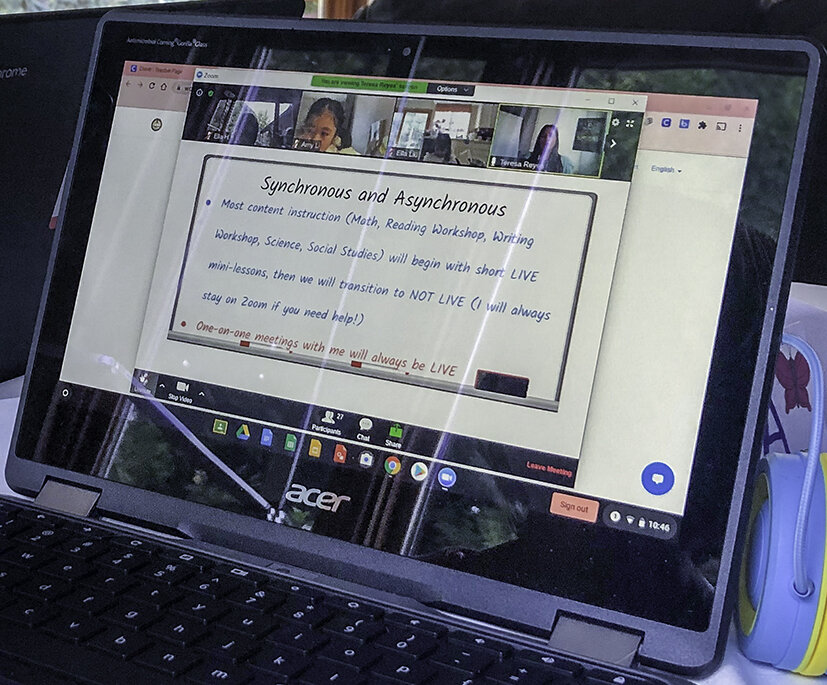
Synchronous: happening at the same time. They are learning synchronously when all the Chromebook cameras are on, all twenty-five reside in a virtual classroom.  Photos of students surround the text.Asynchronous: one-on-one communication between stud…

Synchronous: happening at the same time. They are learning synchronously when all the Chromebook cameras are on, all twenty-five reside in a virtual classroom. Photos of students surround the text.

Asynchronous: one-on-one communication between student and teacher.

The next half hour the teacher explained all the apps and icons that the students needed to understand. Those of us who use Word and Photoshop shouldn’t have any trouble with Zoom, Flipgrid, Epic, Clever, and Raz Kids, but we did.

It’s 12:46. Lunch is over. Before reading aloud time, Ms Reyes led them into “mindful moments.” (I was in my sixties before I ever experienced a mindful moment.)

I caught Ella at the moment when she and the mindful moment parted company. Isla stayed a mindful moment longer.

I caught Ella at the moment when she and the mindful moment parted company. Isla stayed a mindful moment longer.

IMG_0903.jpg

It’s now 1:30. They’re reading quietly. At 2:00 we’ll listen for the school bell. It rang. Everybody in their class said “Goodbye!” Or were told to.

School’s out.

No more pencils, No more books, No more teachers’ dirty looks. Or any looks, except through a Chromebook camera. Sad.

2/3 of 2020

OK, I cheated. There are still two weeks left of the second third of the year. I cheated, too, in that the story begins on December 22, 2019. That was the day that Greg, comatose, was airlifted to a Denver hospital. Sean stood on the ground, watching the helicopter leave Glenwood Springs, not knowing if she’d ever see her husband alive again. I wrote about it two weeks later in this blog

Greg recovered. Jadyne rode with him four hours in the ambulance that brought him back to a rehab center. He improved enough after a couple of weeks to come home. But he’s not there now. He and Sean are currently staying in the Hotel Denver, a $250 a night hotel by the hot pool in downtown Glenwood Springs. I took this image two years ago of the hot pool and the pure. blue, sunny sky above Glenwood Springs, a view looking towards No Name. The Hotel Denver is off to the left but not shown.

Hot Pool.jpg

That was then. This is now.

The brownish building off to the left is the same building in the first photograph, but the pool is closed, as is everything else.

The brownish building off to the left is the same building in the first photograph, but the pool is closed, as is everything else.

Last Monday someone saw smoke in the median of I-70, the main thoroughfare through Glenwood Canyon, a major artery for east-west traffic of any kind. The Grizzly Creek Fire began just east of No Name and grew quickly on national forest land, not threatening any structures, but expanding dramatically in the hot dry August heat. It’s six days later, and the fire has consumed 26,000 acres and is 0% contained. Firefighters are protecting people and structures. One of Greg’s neighbors in No Name took this photograph one-half hour after the fire started, packed his bag and left his house.

Screen Shot 2020-08-16 at 9.46.37 AM.png
Before Greg and Sean were evacuated Greg took this image from his driveway.

Before Greg and Sean were evacuated Greg took this image from his driveway.

For three or four days Sean and Greg, then living with friends in Glenwood Springs, read reports as the fire spread towards No Name, the smallish community that they and about two hundred other neighbors, call "home.” They tried to prepare themselves for the very real possibility of losing their house and their entire neighborhood. They knew that firefighters, unable to stop the flames in the forest around them, would do everything they could to save structures. The fire advanced to the edge of No Name, stopping on the eastern side of No Name Creek, a few hundred yards from their house. There firefighters made a stand. Although the fire has burned right up to the edge of No Name and has jumped the Colorado River, their house still stands.

So now they’re in downtown Glenwood Springs. The owner of the Hotel Denver lives in No Name, and with no tourists in a heavily touristed town, he has provided their room free of charge. They have no cooking facilities, and we believe that the local restaurants are closed, perhaps open to the 625 firefighters that have made Glenwood Springs their home for the indefinite future. We gave them a gift card to the hotel coffee shop. The air is so smoky that even with an N95 mask Sean couldn’t make it two blocks to the grocery store, turning back to escape the smoke. They don’t know when they’ll be able to return to their house or when the interstate will open. Electricity has been out for four or five days, so opening the refrigerator will be an unpleasant task. Knowing them, though, they’ll be so delighted to know that they still have a refrigerator to open.

When we first told Jason about the fire, he, in the middle of a divorce, forced because of the pandemic to live under the same roof as his soon-to-be single spouse, responded “Fuck this year.” We second that.


Oh, did I mention that after Greg returned from Denver last winter he was told that the drugs he’s taking leave his immune system compromised? That we couldn’t visit? That he shouldn’t leave home? Oh yes, and there’s also that nasty Covid-19 thing. Fuck this year.

Cousin Camp/Forty-Eight Hours

We met John, Lilly, and Kennedy in the Scandia parking lot in Cordelia. A half hour later we were at Rosalind, picking up Isla and Susanto for cousin camp, a two-day adventure with four kids we’ve hardly seen at all over the past six months. Had to be back on Rugby in time for Kennedy’s Zoom martial arts lesson.

Here’s Kennedy at the end of the lesson. He calls his instructor “Sir!” and bows deferentially at the end of the half hour lesson.

DSC03870.jpg
DSC03906.jpg
Up Seaview…with hiking sticks.

Up Seaview…with hiking sticks.

Isla reading to Kennedy

Isla reading to Kennedy

Four kids, four bowls of Costco Ramen, a pitcher of water, a half hour on our deck under the new umbrella, just before we headed out to Tilden Park’s Seaview trail, a four mile loop that takes hikers up a steep incline to a bench that overlooks San Francisco to the West and Mt. Diablo to the East.

Lillian, in the “bonus room”, choosing to sleep alone, a good decision that I hope she’ll do for a long time.

Lillian, in the “bonus room”, choosing to sleep alone, a good decision that I hope she’ll do for a long time.

 
Day 2.  We headed to Limantour Beach at Point Reyes only to find the road closed.  Chose North Beach on the other side of Point Reyes.  Were delighted by sunshine and spectacular waves.

Day 2. We headed to Limantour Beach at Point Reyes only to find the road closed. Chose North Beach on the other side of Point Reyes. Were delighted by sunshine and spectacular waves.

North Beach 2.jpg
We miss time with these four.  And they miss each other, too.

We miss time with these four. And they miss each other, too.

Isla and Lilly use a kelp for a jump rope.  Fail.

Isla and Lilly use a kelp for a jump rope. Fail.

The obligatory stop in Inverness to visit the Point Reyes, a photographer’s hot spot..

The obligatory stop in Inverness to visit the Point Reyes, a photographer’s hot spot..

Isla and Lilly love to spend time with Hazel, and vice-versa.

Isla and Lilly love to spend time with Hazel, and vice-versa.

DSC04321-Enhanced-Edit-Edit.jpg
 

And of course, Hazel wanted to show off how fast she could run. She started up the path, then headed down to me and Jason, clutching Bun-Bun (sp?), hair flying, concentrating on keeping herself vertical.

I grilled sausages. Jadyne made broccoli. We had leftover Mountain Mike’s pizza, and all reminded us of what we’ve been missing.

Memorable conversation from this morning. Someone woke up early and went into the bathroom. Jadyne asked, “Who’s in there?” The answer: “I am.” Jadyne asked, “Who are you?” The answer: “Me.”

What we’ve been missing for so many months.

Apocalypse Now

Tiny little Sturgis, South Dakota hosts a motorcycle rally during the second week of August, an event that brings the town as much as 800 million dollars over the week. Although many townspeople were opposed to Sturgis’ hosting the event this year, local businesses pressured the city council to extend the invitation. Over 250,000 bikers have come in the past. Although fewer are expected this year the photo below will probably typify the first day, August 7th.

Welcome to Sturgis…and Covid-19

Welcome to Sturgis…and Covid-19

Schools in one county in Georgia opened today. The hallway.

Who are those two masked ladies?

Who are those two masked ladies?

Enough anecdotal evidence exists to support that young people are susceptible to Covid-19 and die. Others may contract the virus but be asymptomatic. They have parents, grandparents, and siblings. After school they go home. _______________________ Fill in the blank.

Our friends Tracy and Al have two children, one living in Santa Cruz, the other in Davis. Tracy and Al visit once every two weeks. They wear masks. They stay outside. They don’t touch their grandchildren. Jadyne’s cousin Terry has two grandchildren who live in San Francisco. Although Terry babysat the older one three times a week she hasn’t seen him since March. Her mother Hazel who will turn 101 this year has seen her great grandson once. She held him. A photo was taken. Our friends Chris and Dave have met us for dinner and drinks on our deck. When they come inside the house they wear masks to protect us. Our friend Gail lives alone. We have seen her on a couple of occasions. She always wears a mask and stays at least six feet away from either of us. She knows that if she gets Covid-19 there is no one to take care of her.

Two alternate realities.

An irresistble force and an immovable object.

Limantour

Knowing how much I love photographing birds Andrew said, “After you get to Limantour beach, turn right and head north for about an hour. So many birds.” So on an early Saturday morning, masked and jacketed, Jadyne and I headed up the beach.

You can’t see our destination, three miles up the beach on the windy and cold July morning.

You can’t see our destination, three miles up the beach on the windy and cold July morning.

I saw these first.  I have no idea what they are.  Not comfortable with me being close they took off soon after they saw me.

I saw these first. I have no idea what they are. Not comfortable with me being close they took off soon after they saw me.

Jadyne discovered several large snail-like creatures burrowed in the sand.

This one was alive. The yellow and blue is his shell; the mottled brown and white to the left is the homeowner out for a little morning exercise.

This one was alive. The yellow and blue is his shell; the mottled brown and white to the left is the homeowner out for a little morning exercise.

Jadyne found several more abandoned homes. We brought two of them home.  This one is more than 4” wide.

Jadyne found several more abandoned homes. We brought two of them home. This one is more than 4” wide.

Finally, three miles up the beach we came across an inlet with a small spit of land on which there were dozens of birds, mostly pelicans, cormorants, and gulls.

Limantour 5.jpg

To their right was a small island where less active marine life slept, safe from predators known to cruise through the waters of Drake’s Bay, so named from the theory that Sir Francis Drake discovered the new world here.

Limantour 10.jpg

Upon our return we saw many more pelicans, some flying solo, others in V formations. I wondered how the leader is chosen. Are there Type A dominant pelicans?

Solo

Solo

In formation.

In formation.

Heading east.

Heading east.

One tree had washed up years ago and was made beautiful by years of wind and water.

Limantour 3.jpg

One area was roped off to protect the breeding plover. There were few people who ventured out as far as we did, but as we returned we saw dozens of visitors, blankets, picnic baskets, coolers, and footballs. And masks. We saw masks. I had lost mine, so as I passed the beachgoers headed to the water I looked down, raised my handkerchief, and kept moving.

Normalcy in Five Parts (2020 Edition)

Part I

In a “normal year” baseball’s all-star game would be history. This year baseball hasn’t even begun. But it will. Sort of. At Oracle Park a masked Dave Flemming will sit in the KNBR booth, Duane Kuiper in the NBC sports booth, Jon Miller in the visitors’ TV booth, and Mike Krukow in the late Willie McCovey’s booth. They will call the game from a bank of TV monitors showing the action on the field, regardless of where the game is played. And in the stands? Cardboard cutouts of fans. With the blessing of the Giants management even deceased fans might attend. Krukow said, “You could have a section with Hank Greenwald sitting with Carol Doda, Herb Caen and Robin Williams. What’s more San Francisco than that?” Some fans have paid to have their images turned into cardboard cutouts and placed in their season-ticket holding seats.

Writer Ann Killian reflects, “The concern about the entertainment value in watching this bogus baseball season doesn’t even extend to competitive aspect of play. What is the point of playing out a meaningless string in a pandemic, where your loved ones could be put at risk?” She concludes, “But the winner will be the coronavirus. As we’ve already found out the hard way, it always is.”

Part II

A 63 year old asthmatic store clerk politely asks customers to wear a mask when they walk through the front door. If they don’t have one, she offers them one, even though they cost the store a dollar each. Although many people comply, she is faced with this:

“Some of them would see our signs, open the front door, and just yell: “F--- masks. F--- you.” Or they would walk in, refuse to wear a mask and then dump their merchandise all over the counter. I had a guy come in with no mask and a pistol on his hip and stare me down. I had a guy who took his T-shirt off and put it over his mouth so I could see his whole stomach. “There. A mask. Are you happy?” I had a lady who tried to tape a pamphlet on the front window about the ADA mask exemption, which is a totally fake thing. It’s a conspiracy theory, but it’s become popular here. She kept saying we were discriminating against people with disabilities. What? Why? How? None of what they say sounds logical. I can’t make sense of half the names they call me. They say I’m uneducated — uh, that’s kind of ironic. They say I’m a sheep. I’ve been brainwashed. I’m pushing government propaganda. I’m suffocating them. I’m a part of the deep state. I’m an agent for the World Health Organization. “How do you like your muzzle?” “Is this going to become sharia law?” “Are you prepping us to wear burqas?” “What’s next? Mind control?”

Part III

Tulsa.

While a black pastor with a megaphone lobbied for reparations to descendants of black people killed a century ago in Tulsa in the Greenwood massacre, crowds of white anti-mask protestors abused him, poured water on him, screamed at him, pushed him, mocked him, and one claimed that he was “the sign of the beast.”

“I won’t get any reparations from the race massacre,” Turner explained.  “I’m not from Tulsa. I’m from Alabama. It’s not for me. It’s for the  people in this community, who have seen so much damage and suffering.  And then for people to call you ‘bo…

“I won’t get any reparations from the race massacre,” Turner explained. “I’m not from Tulsa. I’m from Alabama. It’s not for me. It’s for the people in this community, who have seen so much damage and suffering. And then for people to call you ‘boy’ and ‘Get out of here you, liar.’ And then the look in their eyes was just so hateful.”

Part IV

Carl Nolte, a writer for the San Francisco Chronicle had this to say this morning about San Francisco’s biggest industry, tourism, “I miss the crowds at the cable car turntable at Powell and Market. I miss the slap and rattle of the cable under the street as well, especially at Powell and Geary where the cable runs close to the surface like a steel snake.

The streets around Union Square are nearly empty, as if they were abandoned because of a plague. Which is close to the truth.

I walked through Chinatown. Grant Avenue was as empty as I have ever seen it. There were red lanterns spanning the street, and about half the souvenir shops were open. You can tell tourists when you see them. I counted four between Pine Street and Broadway.

I went on to Fisherman’s Wharf. There wasn’t a soul at the crab stands and restaurants at the heart of the wharf on Taylor Street. No pots of boiling hot water to steam crabs. There were no street musicians either, no old-time Muni streetcars, no jugglers, no man painted all in silver standing like a statue. The Bushman, who hides in some foliage and jumps out to scare tourists, was nowhere to be seen. I always thought he was a pain in the neck, but now that he’s gone, I miss him.

I always thought you had to be nuts to buy one of those Alcatraz Psycho Ward T-shirts, but they added a certain gaudiness to the scene, and I miss them.”

Fisherman’s Wharf

Fisherman’s Wharf

Part V

Our son-in-law, Andrew, teaches second grade. Since the year will begin online Jadyne suggested that he go to the school and meet with each student, one at a time, so that they know he’s a real person, and that he recognizes that each of them is a real person, too. How long will schools open without really opening? We have volunteered to host a small pod of third-graders at our house one or two days a week while the children work on lessons from their teacher (who will be working from home. She has a first-grader, too).

How long will idiots like the woman pictured with the black pastor, the rude customers who insult the elderly store clerk, the anti-maskers, the anti-vaxxers, the pro-Trumpers, have sway over their cowardly Republican counterparts in the administration who have mismanaged the pandemic from day one? How long will Americans continue to be anti-American, failing to recognize that had they worn masks from day one, had they listened to the scientists instead of the conspiracy theorists, the National League, (my choice), would have won the All-Star game, and the Giants would have been well on their way to upsetting the Dodgers in the National League West?


But Where is the Joie de Vivre?

Brief getaway to one of our favorite places, Pacific Grove, on the Monterey Peninsula. Chris and Dave own a house on Ripple and Spray and they’ve made it available for friends. The house is just a couple of blocks away from the pelicans, none of whom seemed to know anything about Covid-19.

PG 2a.jpg

As close as the house is to the pelicans it’s even closer to the masked construction workers who are putting in a new sewer line. Concerned with laying the new line, this worker wore a mask but didn’t have a chance to think about Covid-19.

PG 3.jpg

Other bay denizens competed for our attention—and food that tourists were willing to share.

PG 4.jpg

And again nearby neighbors, the harbor seals, lounging on what appear to be most uncomfortable beds. No masks necessary.

Lots of joie de vivre in the sea life and in the squirrels.

Lots of joie de vivre in the sea life and in the squirrels.

Besides the miles I put in walking alongside the ocean I found a bit of joie de vivre just watching the power of the ocean itself. No mask.

PG 1.jpg

We spent three hours hiking just east of Carmel Valley, before…

Lots of ups.  My shoes were tired.

Lots of ups. My shoes were tired.

choosing to eat fajitas from Peppers restaurant at home rather than in their parking lot, eschewing our favorite restaurant, Passionfish, for the same reason, playing two or three games of Rummikub, watching two Monty Python reruns on Netflix, ignoring the comings and goings of our favorite psychopath in Washington, and just enjoying our first nights away from our house since October, not having any high expectations, not finding any disappointments nor any elation. The joie de vivre will have to wait.

The Kintsugi Craftspeople

“When a piece of pottery breaks, the Kintsugi craftspeople place powdered gold into each crack to emphasize the spot where the break occurred.  Exposed rather than concealed, these fractures and their repair occupy a central place in the history of the object.  By accentuating this memory, it is ennobled.  Something that has survived damage can be considered more valuable, more beautiful.”  Andres Neuman’ FRACTURE.

Screen Shot 2020-07-05 at 4.22.10 PM.png

OK, Here’s the big question. I’m not pottery, but I’ve survived damage. Do the rules still apply? Am I still valuable? Beautiful? Was I ever? Damage starts…now.

David Hip 1 copy.jpg

A little confusing from the x-ray, but the dark piece in the center with the serrated edges is my titanium left hip. The mushroom cloud that is partly obscured in the upper left is part of it, too. It’s supposed to move around in the blob above it, and for the most part, it does. No powdered gold, but then you can only see this in an x-ray, so no waste of valuable gold, pleasing only to the beholder, either.

The Room Where I Happened

The Room Where I Happened

IMG_0779.jpg

This is the part you can see, but only when I’m getting dressed. And no powdered gold here, either. After about eight or ten years the stitches remain. The incision runs down the railroad track of my hip and turns to the left. It’s a pretty short train, just a few inches long. No doubt I am “ennobled” by this repair.

And here’s another…

David.jpg

I could have used some gold powder in 2006 when a car ran into me while I was riding a bike. Instead I settled for some plastic surgery, a new helmet, and about $15,000 from the negligent driver.

2006

2006

2020Wow! Fourteen Years has done a whole lot more damage than the negligent driver. I see a little line (actually, several little lines), but the one from the accident is still visible. It runs from a bit above the two prominent horizontal lines in …

2020

Wow! Fourteen Years has done a whole lot more damage than the negligent driver. I see a little line (actually, several little lines), but the one from the accident is still visible. It runs from a bit above the two prominent horizontal lines in my forehead down to above my left eye. It’s not gold either. Does it lose value?

Septoplasty

Septoplasty

Most of my life I had trouble breathing through my nose. Finally, an ear, nose and throat doctor diagnosed by problem as a deviated septum. Twelve years ago I went under the knife, and the kind doctors un-deviated my septum. For seventeen days after that I lived with two cotton inserts in my nose, each of which was the same size as a boxcar. After the operation I couldn’t breathe through my nose. I couldn’t smell. I felt tremendous pressure in my face, and my nose swelled to such a degree that I looked like, was it Mr. Magoo? Not until the cotton inserts were removed could I breathe comfortably again, and once again, since all of the breakage was on my inside, I didn’t get any gold powder, I didn’t feel ennobled. I didn’t feel valuable. I could just breathe freely through both nostrils, and that has made all the difference.

The unkindest cut of all

The unkindest cut of all

On March 12th of this year, just a couple of days before we were issued the shelter at home directive, I was pruning some bushes in the back yard. I reached down to hold a branch with my left hand, then delivered a four stitch slice with the pruning shears in my right hand. For six weeks I was unable to play guitar, as the pain when I touched the strings of the guitar was excruciating. The photo on the right is the finger this morning, July 6th. The crease in the tip of the finger isn’t from the cut; it’s an indentation from the guitar string. My finger has “survived damage”, and whether it’s “more beautiful” is not an issue. I’m simply grateful that I can play again.

I’ll edit this further when I find the photos of my face when I tripped over some bender board and required four stitches in my forehead. And again when I tripped trying to pick up a table and landed, once again, on my face. I’m on a first name basis with the doctors at Kaiser’s ER. They gave me a punch card. After nine visits the tenth is on Kaiser. Hoping not to use it, just looking back at all of the above, trying to feel ennobled, beautiful, and valuable.


November 3, 2020

Not content to watch the President commit political suicide Jadyne and I have joined a group committed to encourage people who haven’t voted to vote, an act that we hope will expedite the process. Here is an email I received from them today.

Screen Shot 2020-06-25 at 3.50.35 PM.png

Every day Jadyne addresses ten envelopes slated to go to people who live in states like Florida and Arizona where the stakes are very much up in the air.

Here is a list of twenty from AZ. We are writing to each of them.

My favorites are Melina Molina and Ivory Wigfall. Someone in Florida lives on a street named “Dwellwell.”

My favorites are Melina Molina and Ivory Wigfall. Someone in Florida lives on a street named “Dwellwell.”

No surprise. Not many white names here. And the addresses are from several cities and communities in Arizona.

Here’s s sample letter:

I write (print) the recipient’s name after “Dear,” then write a sentence of two after the word “because.”  I like “my vote—and yours—matter,” and “without voting we lose our democracy.”  I sign the bottom with the name “David B”, and Jadyne fills in…

I write (print) the recipient’s name after “Dear,” then write a sentence of two after the word “because.” I like “my vote—and yours—matter,” and “without voting we lose our democracy.” I sign the bottom with the name “David B”, and Jadyne fills in an AZ return address on the envelope,

We pay for the envelopes, the paper, and the stamps. All go out in early October. We would be remiss if all we did was rant.

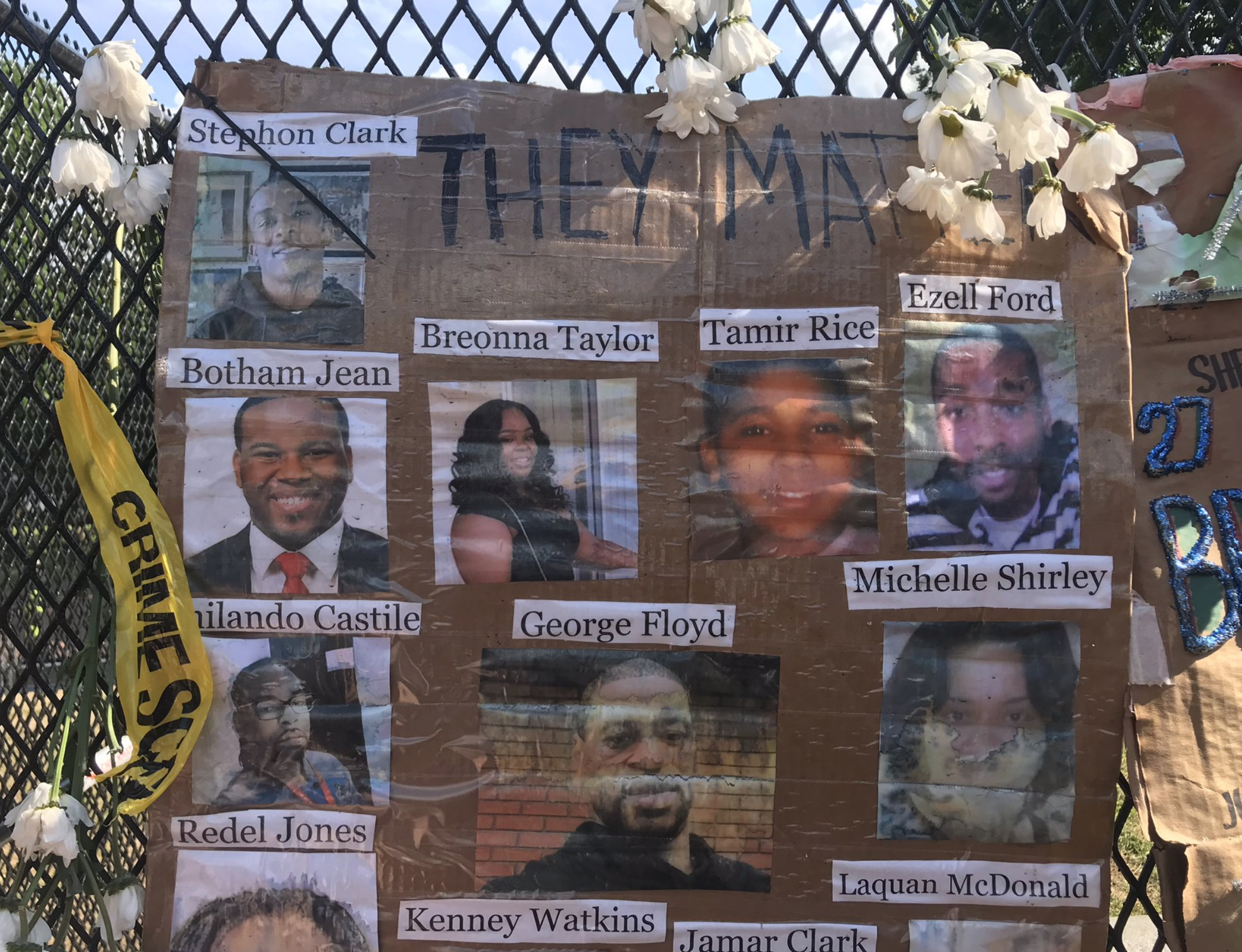
George Floyd, R.I.P.

A week ago tonight, May 25th, George Floyd was murdered in Minneapolis by four policemen, one of whom, by placing his knee on the neck of a handcuffed and prostrate black man for eight minutes and forty-six seconds, caused blood to cease to flow to his brain and thereby brought about his death. And that was just the beginning.

8 minutes and 46 seconds

8 minutes and 46 seconds

Long after Floyd stopped breathing and bystanders begged the cop to let him go the cop left his knee on Floyd’s neck. Murder, flat out murder. Murder in broad daylight. Murder in front of many witnesses. Murder under the lens of a phone camera which recorded the whole scene. Murder by a policeman.

It’s now June 8th, two weeks after Floyd’s death. The cop who killed him isn’t a cop anymore. Faced with 2nd degree murder he faced a judge today. The three other cops who were with him aren’t cops anymore, either. They, too, have been arrested and charged.

And the world has changed in the last two weeks. Parades and demonstrations take place daily, not just in the US, but around the world. Police departments have come under fire, some defunded (whatever that means). In the course of the many demonstrations police have run the behavioral gamut, some beating protestors with batons, some taking knees to show their sympathy and support of the protestors.

In the meantime the President of the United States, having the opportunity to provide a healing message, instead called for law and order and directed the governors to “dominate the streets,” then ran to hide in a bunker in the White House. First, however, he protected himself by surrounding the White House with fencing, which, of course, has now become an unwelcome (by him) art display

Screen Shot 2020-06-08 at 10.29.53 AM.png

But before Trump retreated to his little bunker he possibly committed one of the more bizarre acts of his Presidency. Thinking that he not only needed to show strength, but that the Evangelicals, who are slowly leaving the sinking Trump liner, need to be brought back into the fold and be reminded of what a great religious mind he has, did the unthinkable. After declaring himself the law and order president he and AG Barr, had Lafayette Park cleared of peaceful protestors by the military using pepper spray and rubber bullets so that he could stand in front of a church holding a Bible upside down in an ill-advised photo op.

A man holding a book he’d never read in front of a building he’s never visited.Rev. Mariann Edgar Budde, the Episcopal bishop, described the scene to CNN and The Washington Post as an "abuse of sacred symbols" amid "a backdrop for a message antithet…

A man holding a book he’d never read in front of a building he’s never visited.

Rev. Mariann Edgar Budde, the Episcopal bishop, described the scene to CNN and The Washington Post as an "abuse of sacred symbols" amid "a backdrop for a message antithetical to the teachings of Jesus and everything that our churches stand for."

Budde told The Post that she "was not given even a courtesy call" that authorities would be clearing the area "with tear gas so they could use one of our churches as a prop."

Another Episcopal minister echoed the Bishop' and said, “This is an awful man, waving a book he hasn’t read, in front of a church he doesn’t attend, invoking laws he doesn’t understand, against fellow Americans he sees as enemies, wielding a military he dodged serving, to protect power he gained via accepting foreign interference, exploiting fear and anger he loves to stoke, after failing to address a pandemic he was warned about, and building it all on a bed of constant lies and childish inanity."

And when Friday came and went with a very favorable economic report, Trump said,

“We all saw what happened last week. We can't let that happen," Trump said of Floyd, who was killed as a white Minneapolis police officer knelt on his neck for nearly nine minutes. "Hopefully, George is looking down right now and saying, 'This is a great thing that's happening for our country.’”

The dead man, killed by cops, is having a great day in Heaven because people are mourning him, and more important, there is a favorable jobs report. You can’t make this stuff up.

So here’s a synopsis. Floyd is murdered. Protests take place in every state and in many other countries. Trump, in gated seclusion, hides in a bunker except when he’s sending in the military to prevent lawful protestors from protesting. The mayor of Washington DC has renamed the streets in front of the White House as “Black Lives Matter” Plaza. All Trump’s former Secretaries of Defense have condemned Trump for using the military against the country’s own citizens.

Hey, it’s only been two weeks. More to come.

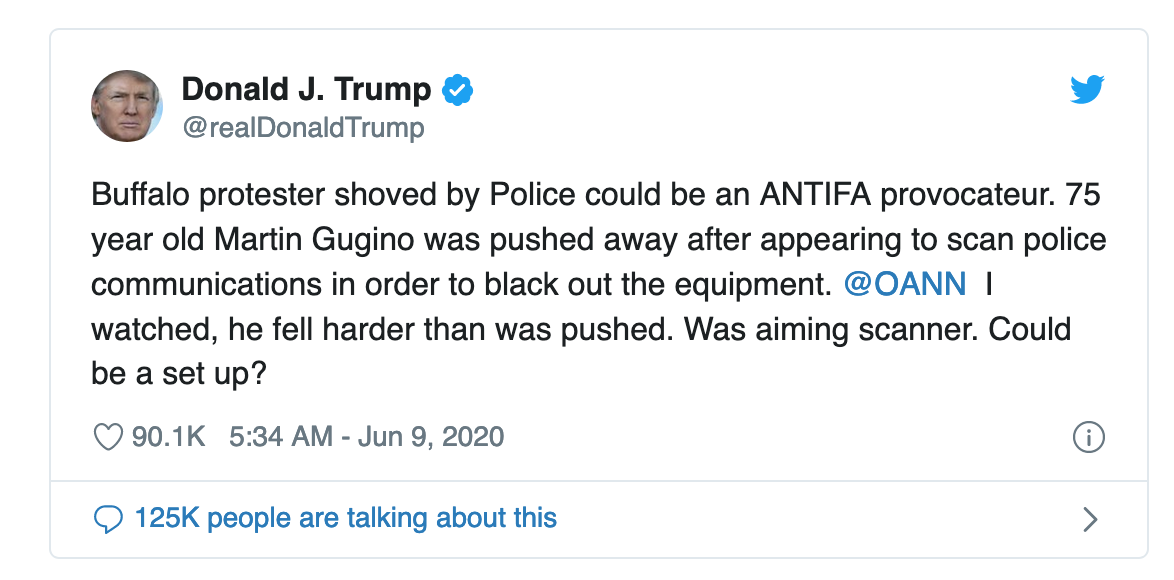
And indeed it has. In one of the protests a 75 year old man was pushed to the ground by police His head hit the sidewalk, and he was bleeding, requiring hospitalization. There’s a video. You can see it for yourself. Here’s the man on the pavement.

Screen Shot 2020-06-09 at 6.43.13 PM.png

And what did the tweeter-in-chief have to say?

Whenever he has a chance to say something not stupid he doesn’t.

Whenever he has a chance to say something not stupid he doesn’t.

So Trump held a rally last Saturday in Tulsa, jubilant because his campaign had received well over a million ticket requests. After surveying the 6200 mindless souls in the arena, and realizing that he’d been scammed by teenagers who had requested tickets as a prank, he dissembled his way through a 103 minute disjointed monologue, spending a good part of it proving that he can walk down a ramp without falling and drink a glass of water with one hand.

By all accounts it has been a disastrous week for him. He topped it off a night or two ago in an interview with sycophant Sean Hannity which went like this:

The inmates have taken over the asylum.

The inmates have taken over the asylum.

People who have been told that this is a bona fide question and answer exchange have gone to Snopes to verify its authenticity. Yes, Hannity asked him about his priority items. Yes, Trump answered as is recorded above. in that same interview Trump added this, “a pal had told him he has to be “the most perfect person” because he was not brought down by the Russia investigation.

“Isn’t that true?” Trump asked a small audience packed with enthusiastic fans.

Trump did not name the friend. But the praise certainly sits up there with the president’s own previous self-aggrandizing descriptions of himself as “an extremely stable genius” and “really smart.”

Trump has also in the past compared himself to a king.”

So this is where we are on June 27, 2020.

And here’s how we’ll celebrate the Fourth of July. America is a pariah. Americans can’t even leave their own country, as no other country will have us. Thank you, Mr. President.