I was so excited when my IBM Selectric typewriter arrived. I had wanted an electric typewriter when I left for Whitman College in 1964, but in their infinite wisdom my parents gave me a Smith-Corona manual typewriter, which was okay, really. But years later, when I could afford it, I bought the IBM. which looked like this.
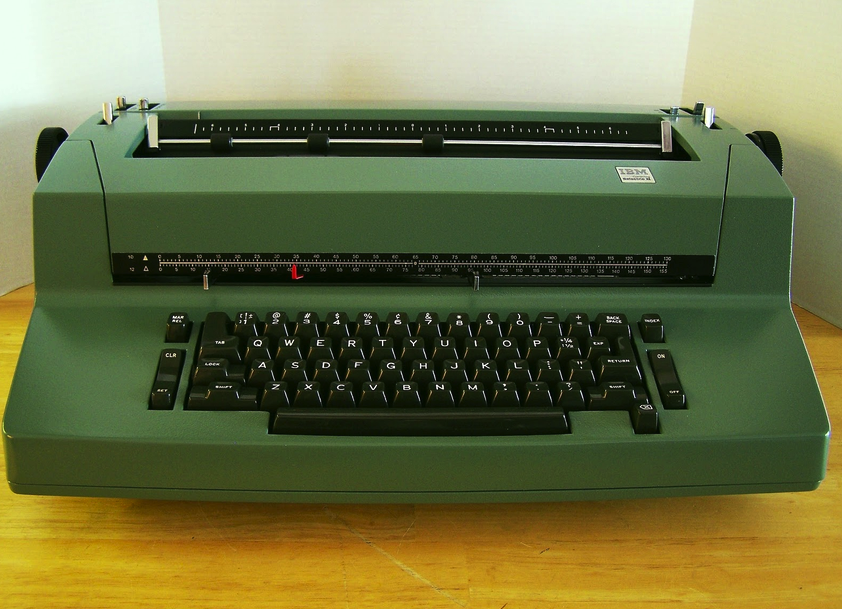
Instead of windshield wiper like keys, the IBM had a little ball that rapidly spun when the appropriate key was pressed, leaving its letter on the paper, occasionally where the typist wanted to see it, but often, especially with typists like me, wrong. Then a piece of “White Out” paper was placed over the offending mistyped letter. The key was pressed again, leaving white stuff over the incorrect letter before the correct letter key pressed. It was a cumbersome system, but not because of the typewriter. Old School.
Accompanying the advent of computers were dot-matrix printers, such as the one pictured below:
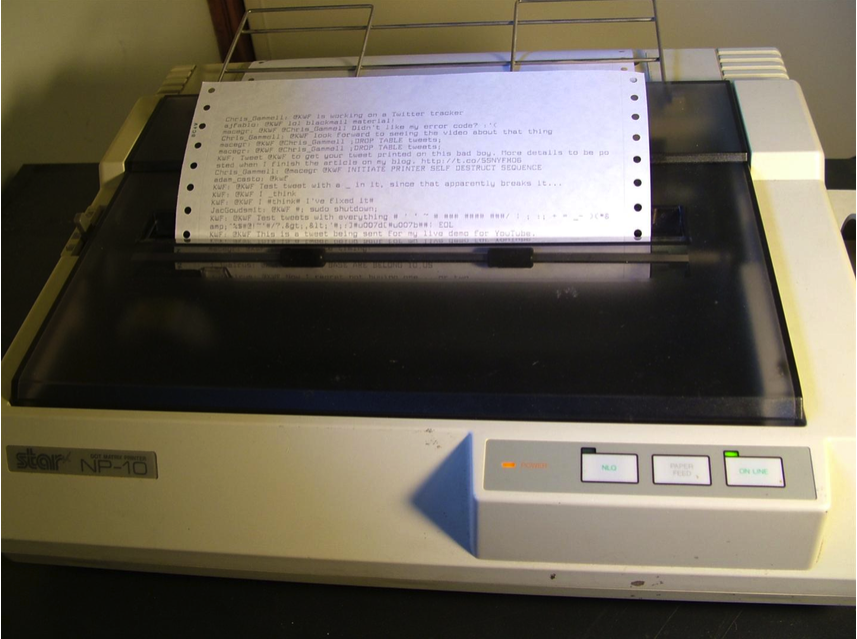
While noisy, these printers used long paper to add dots, which when combined, formed letters. They didn’t make mistakes. They served a purpose, but it was still a few years before laser printers would emerge, the game-changer that we use today.
When I first began to take photographs professionally I used a camera that was as technologically advanced as the Smith-Corona. I shot all images on film without autofocus or auto exposure. I set both camera and light settings, using sophisticated (at the time) exposure meters. I couldn’t see the results until the film was developed and printed, days later.
All this changed when digital cameras arrived, around 2001. My first was made by Sony, a very primitive point and shoot model that had no controls, no adjustments. Here’s the only image I have from that camera.
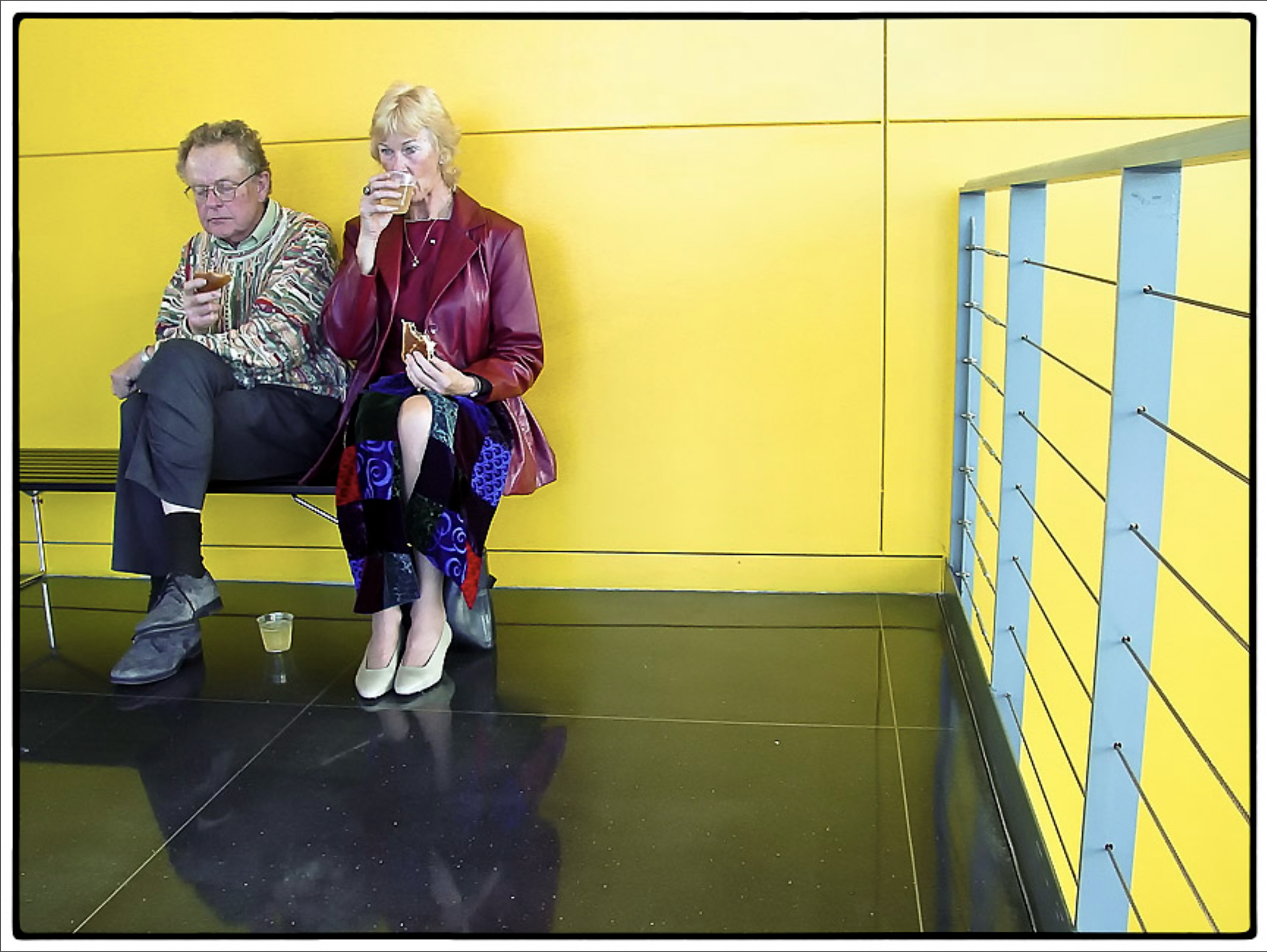
Intermission at the performance of San Francisco’s The Nutcracker.
Before we left for Tanzania a month later I bought a Nikon D100, my first digital camera with interchangeable lenses. I first used it on a Safari, and I realized that I was done with film.
Three from my first day in Tanzania.

Moving stones in Dar Es Salaam.
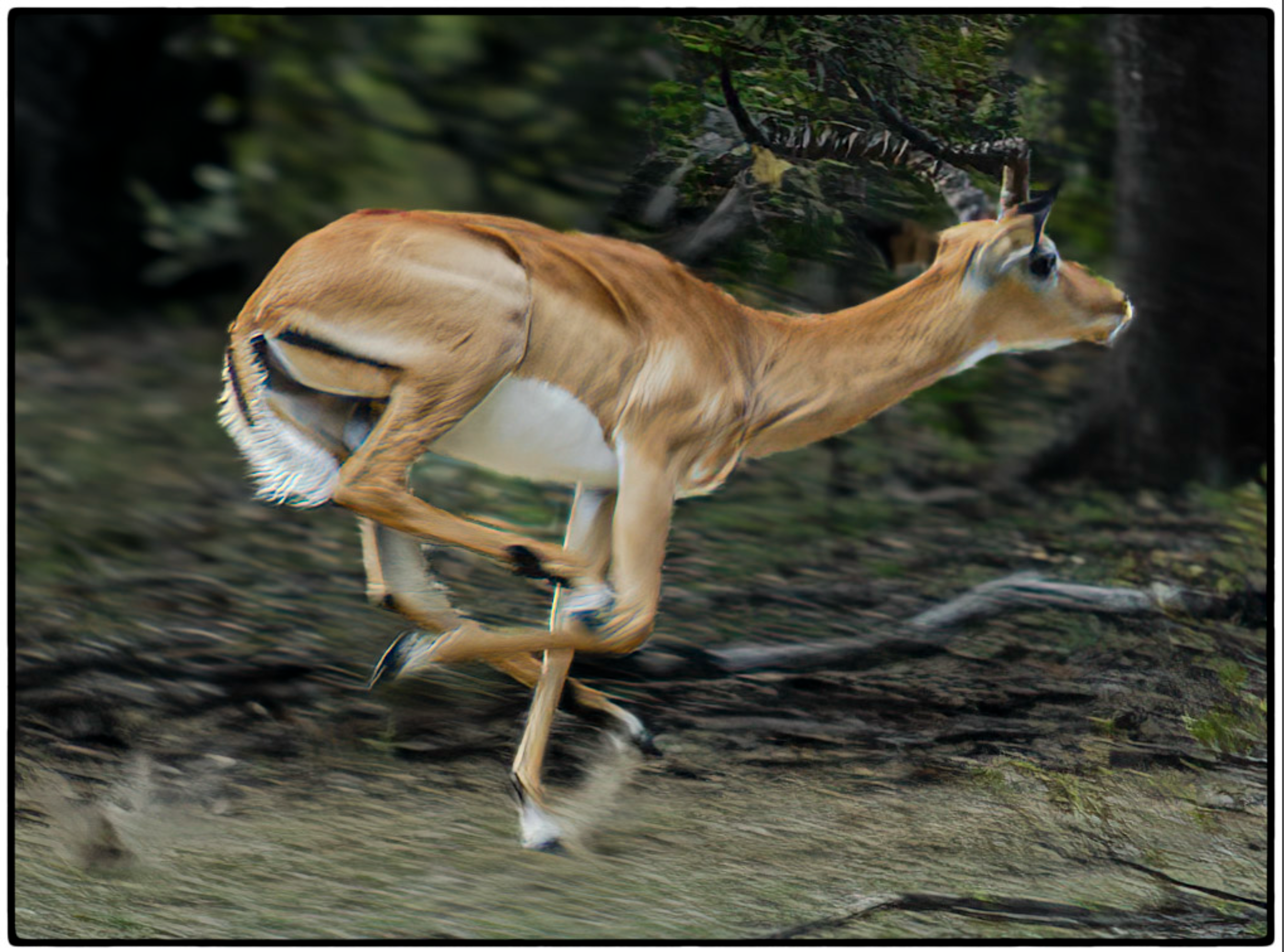
Selous National Park
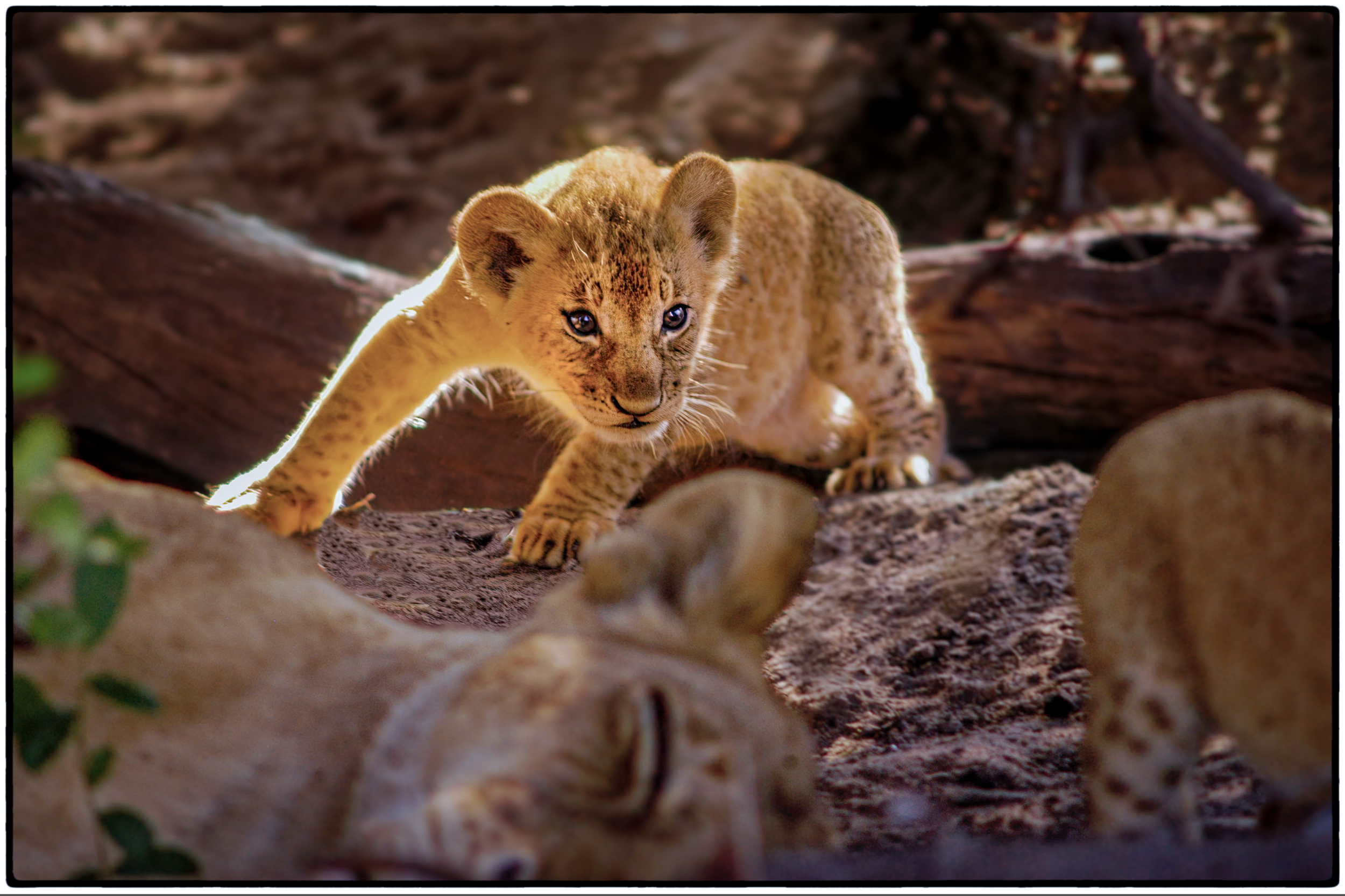
Lion cub, sleeping mother.
More cameras followed. Technology and software improved. Today I look at images that I took twenty-five years ago, discovering that what the camera had captured in 2001 can be interpreted better today on newer printers, longer lasting ink. Improved software could significantly enhance twenty-five year old photos, all before AI.
Meanwhile, the cameras in phones weren’t left behind. Phones put an end to small point and shoot digital cameras, and since people prefer digital displays to paper prints they don’t need the higher megapixels in professional cameras, again, all before AI.
But then AI came along, and not just for professional cameras.
This is a photograph of Emily, taken with an iPhone by window light. One photo.

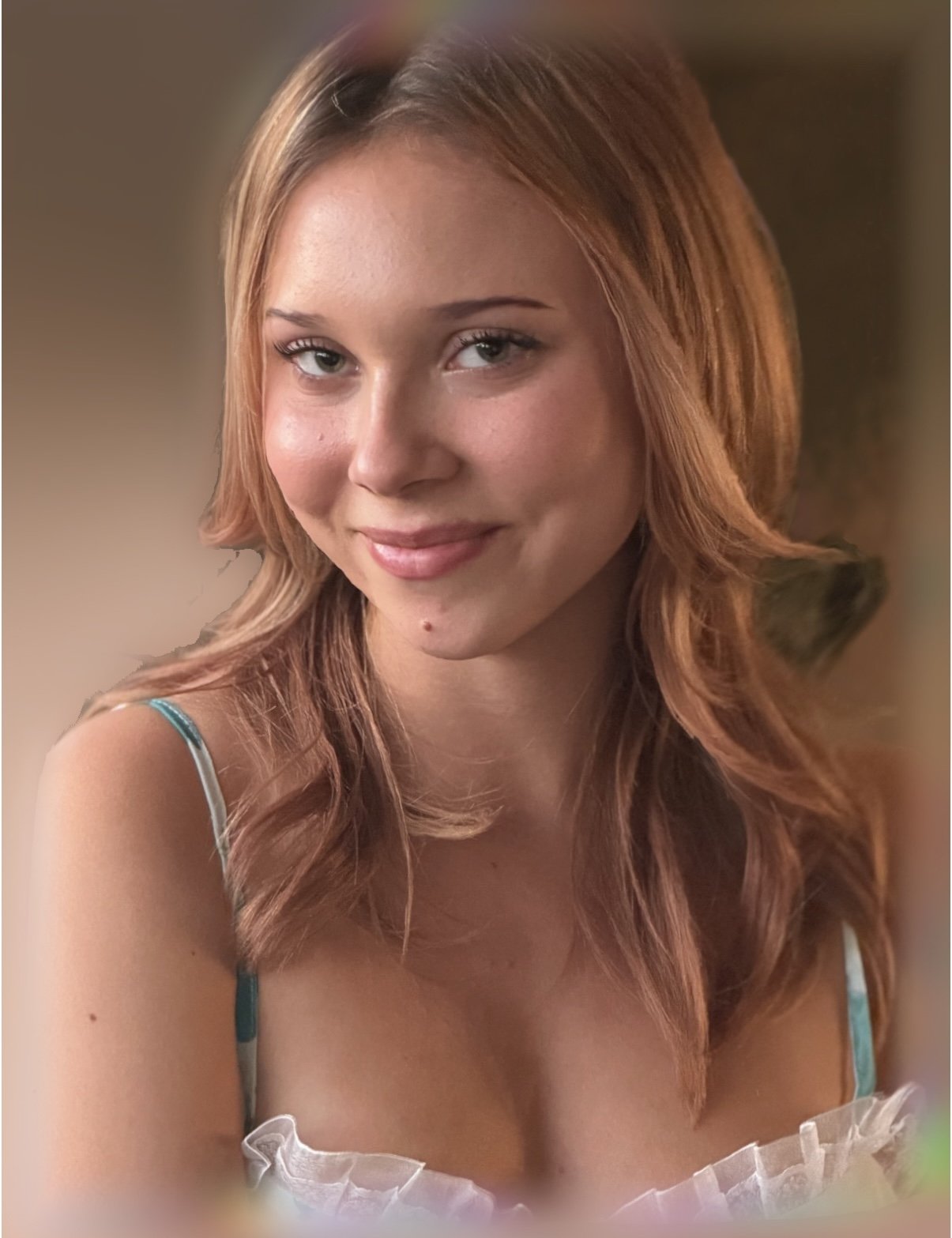
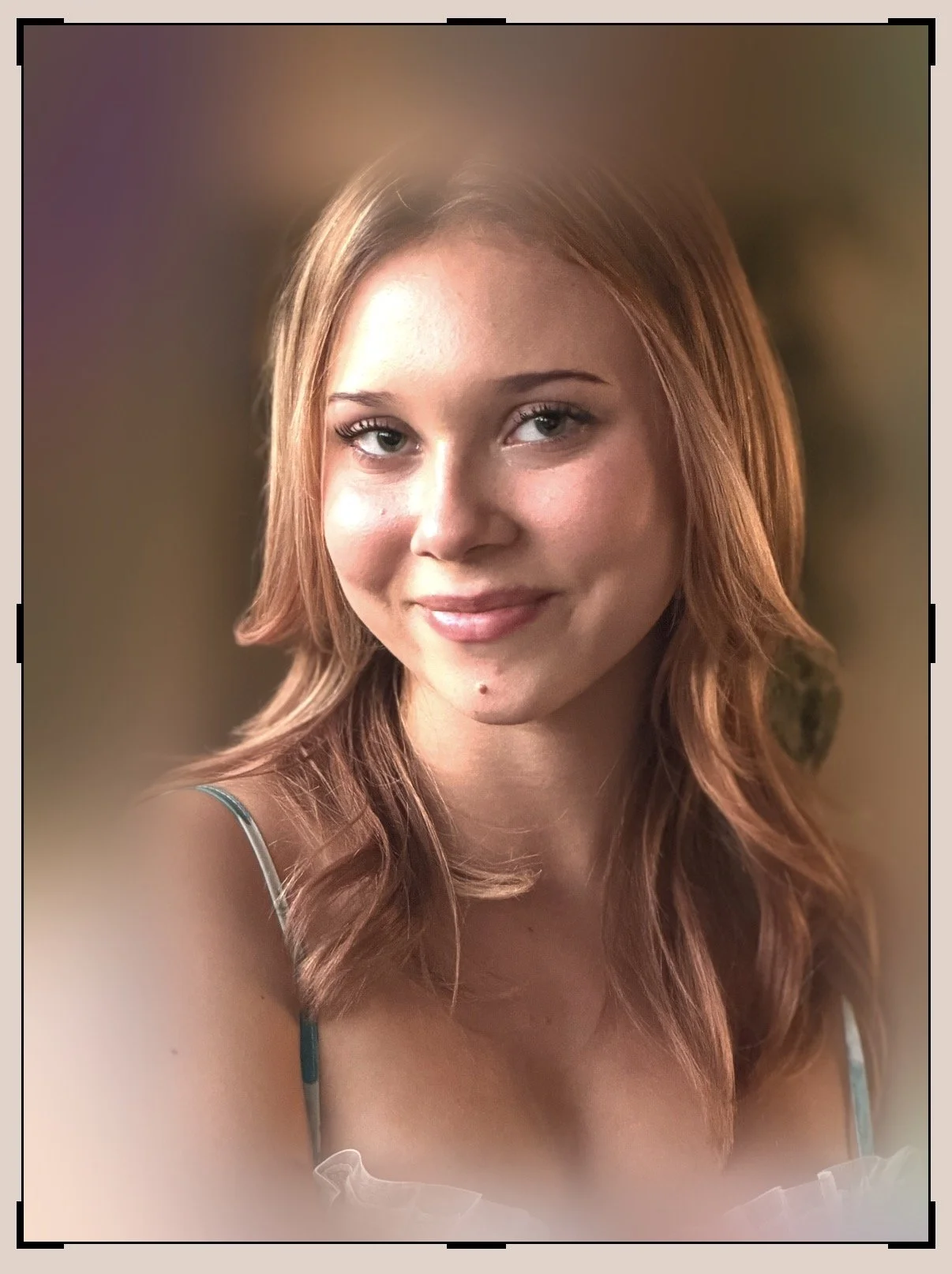
In the first the camera appears to be lowered, the head high, and the eyes are looking away. In the second image the opposite is achieved. The head is lower, the eyes are looking up, and Emily’s expression changes the overall feeling. In the last image, the phone extends the original image by blurring the edges. Apple had begun the process with “Clean Up”, which allowed photographers to remove unwanted elements from the image, replacing those pixels with ones nearby. Apple changed it all for me.
This is just the beginning.
Relight
Photoshop is introducing a product called “Relight.” From an article about it in Creative Bloq, a website: “Photoshop's Relight removes the existing lighting from an image and then creates its own using generative AI. You can add up to three artificial light sources and control them individually. Turn them all off, and you have the remaining ambient or original light. Turning each one on or off enables or disables its contribution, just like turning on or off a real light.
People have been sharing early experiments with the tool on social media, and they've been generating some mixed reactions. Some think Relight has the potential to eliminate manual light painting, or at least provide a very good base to start with, massively speeding up the process.”
My photographic income was derived to a great extent by studio images that required knowledge of light, light sources, light temperatures, and light modifiers. Light meters measured the power of individual flashes that were combined in ways that made their presence and relationship undetectable. Film was exposed, negatives developed, prints were made, and then, and only then, did I see whether if I was successful,
With Relight you don’t need a studio. It’s entirely in Photoshop—the lights, the modifiers, the temperatures, all in real time. Born fifty years later I wouldn’t have had a career. Today what I have spent fifty years studying and practicing is the equivalent of a manual Smith-Corona typewriter, with scads of White-Out, (still available for some inexplicable reason.)
Why We’re Not Going Away
The skills I’ve acquired over the last sixty years cannot be replaced by AI. Learning to see took more time than learning how to light an image. Some think that having a professional camera automatically turns them into real photographers, but if you gave me a scalpel or a hammer I wouldn’t be a doctor or a carpenter.
Studios aren’t the only places where these skills come in handy. “You’re always looking,” Jadyne once complained to me. It’s true. What I look for can’t be turned on or off Recognizing, seeing, and capturing images like these needs a photographer, not just a camera, and certainly not AI. AI can’t replace the emotional impact of a good photograph.
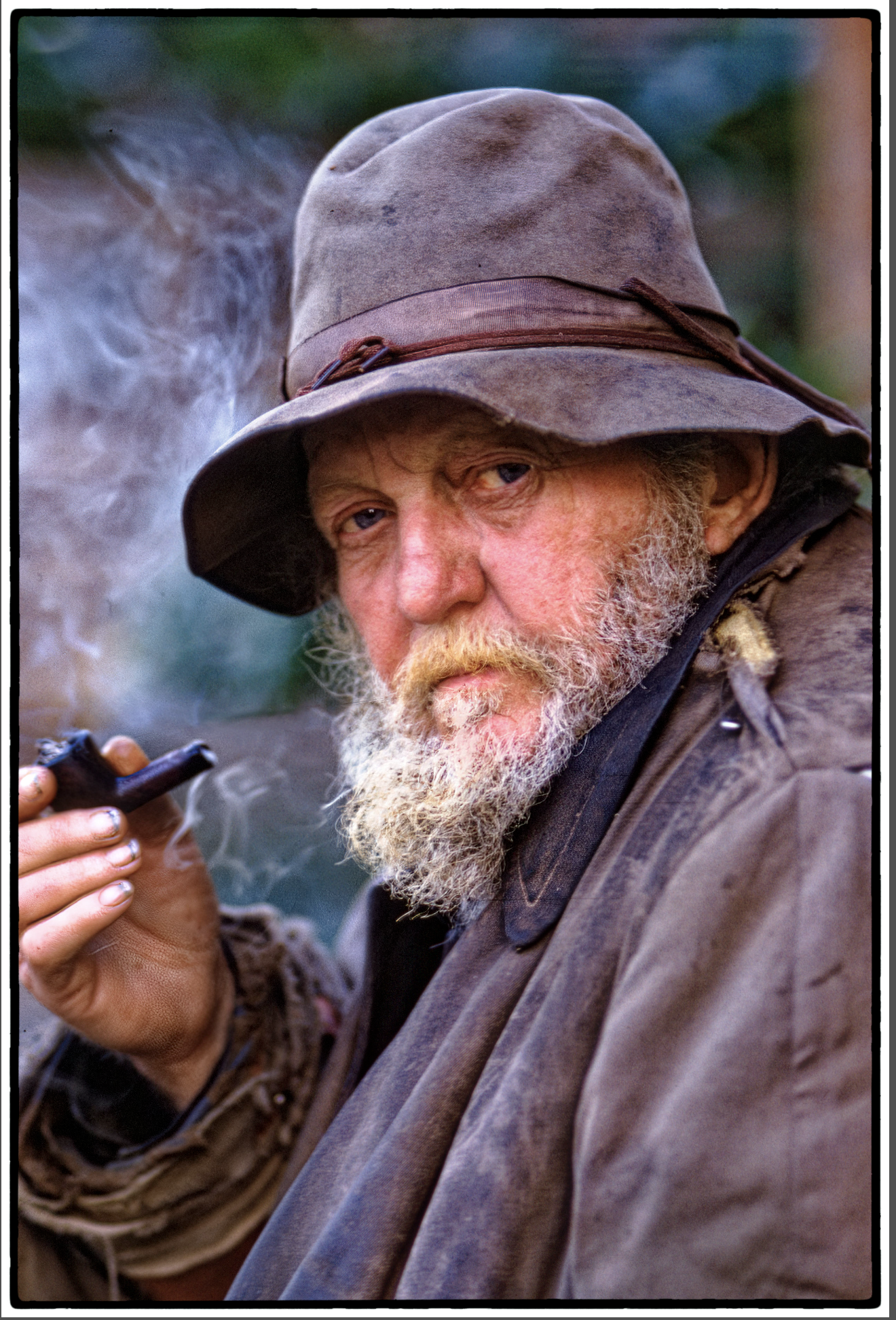
San Francisco, 1969
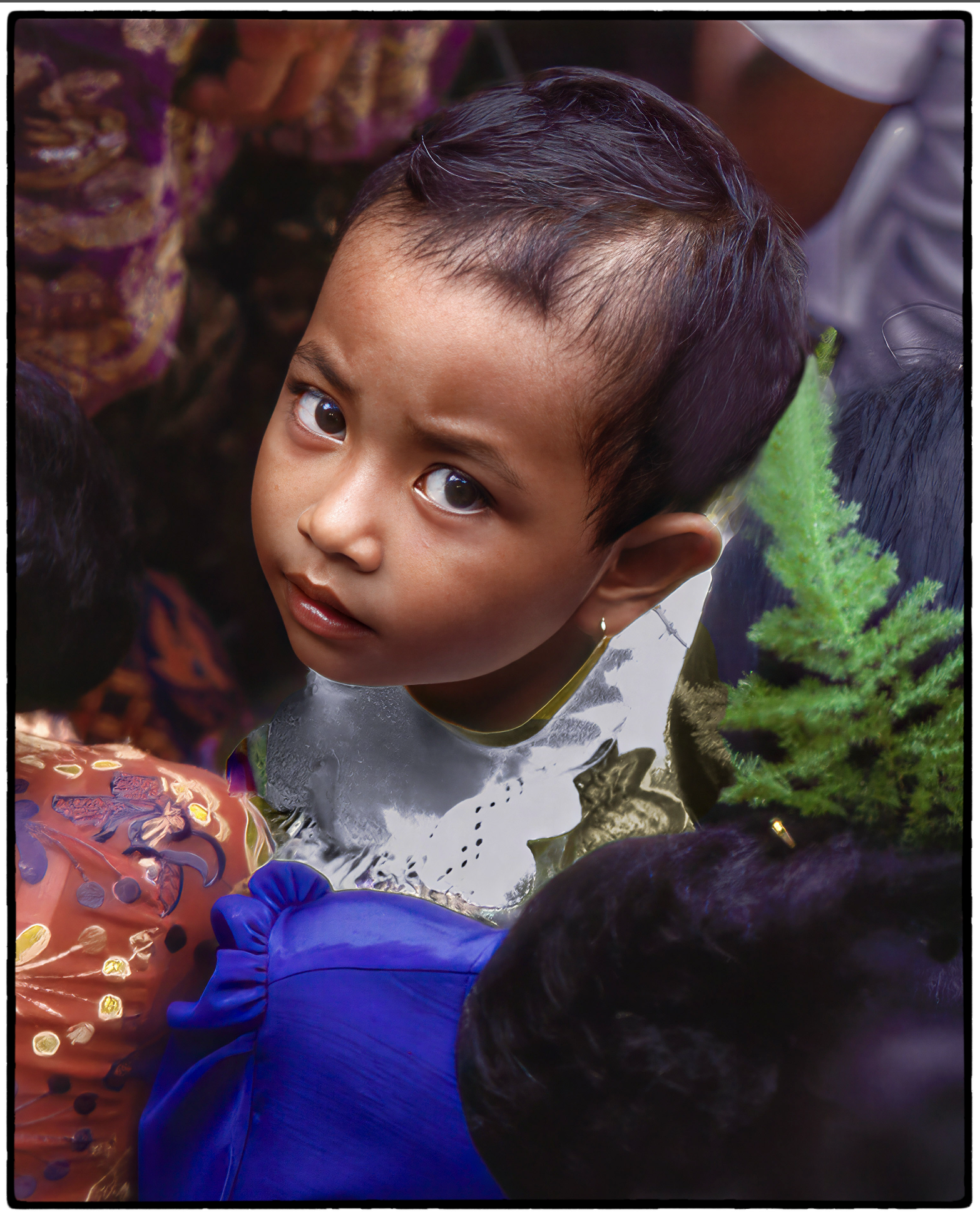
At prayer, Bali, 1997

Street child, Delhi, India 2016